Hildon Chaves Nominated for Governor of Rondônia by Progressive Union Federation
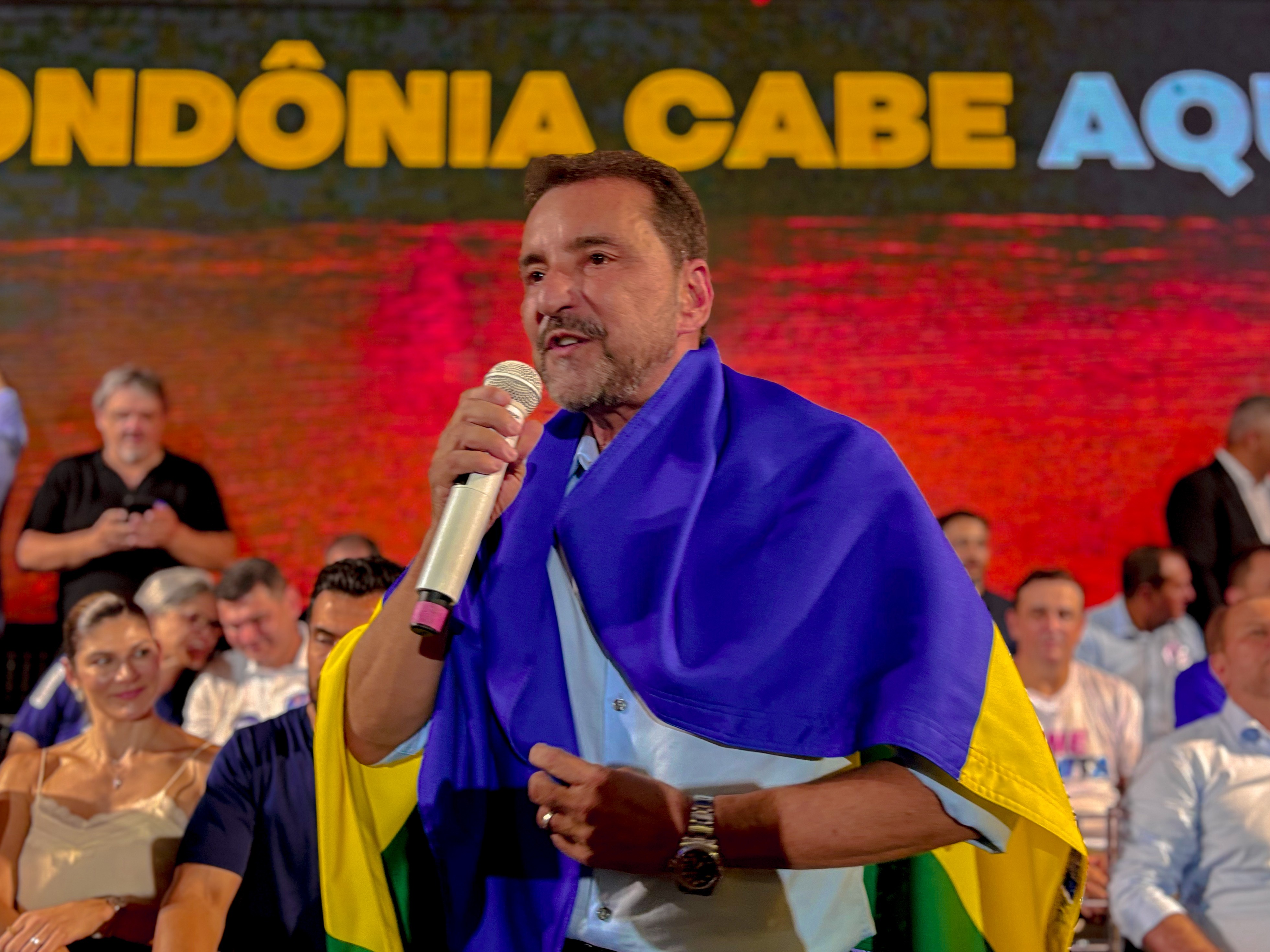
The Progressive Union Federation has officially nominated Hildon Chaves as its candidate for governor of the state of Rondônia. This decision was finalized during a convention held on Monday, July 3rd, in Porto Velho. Chaves, 57, born in Recife, Pernambuco, is a law graduate with a specialization in Public Law. He moved to Rondônia in 1992 to serve as a public prosecutor after passing a competitive examination. Other candidates approved at the convention include Cirone Deiró for vice-governor, and Mariana Carvalho and Silvia Cristina for the Senate. During his nomination speech, Hildon Chaves described Rondônia as facing a "financial crisis" and emphasized the urgent need for economic recovery. He presented his extensive administrative experience, particularly his eight years as mayor of Porto Velho, as the key qualification to address the state's challenges. The Progressive Union Federation, a coalition of União Brasil and Progressistas (PP), will compete in the Rondônia elections under the banner "De Sul a Norte, Rondônia mais forte" (From South to North, Rondônia Stronger), in alliance with the Republicanos party. Chaves previously served as president of the Rondonian Association of Municipalities before stepping down to pursue the governorship. The electoral calendar mandates that candidate registrations must be submitted to the Superior Electoral Court (TSE) by August 15th, with official campaigning commencing the following day.
The nomination of Hildon Chaves by the Progressive Union Federation highlights the strategic consolidation of political forces in Rondônia ahead of the upcoming elections. Chaves' background as a former prosecutor and two-term mayor of Porto Velho positions him as an experienced administrator, aiming to leverage his past governance successes to address perceived financial challenges in the state. The formation of the "De Sul a Norte, Rondônia mais forte" coalition with the Republicanos party signals an effort to broaden electoral appeal across the state. This move reflects a common electoral strategy of building broad alliances to maximize vote share, particularly in competitive regional contests. The focus on economic recovery and financial crisis suggests that these issues will be central themes in the campaign, appealing to voters concerned about the state's fiscal health and future development.
AI-generated to prompt reflection — not editorial opinion, not advice, not a statement of fact. How this works.
