Hillana Lopes Becomes First Woman Lawyer Appointed as Judge at Piauí Regional Electoral Court
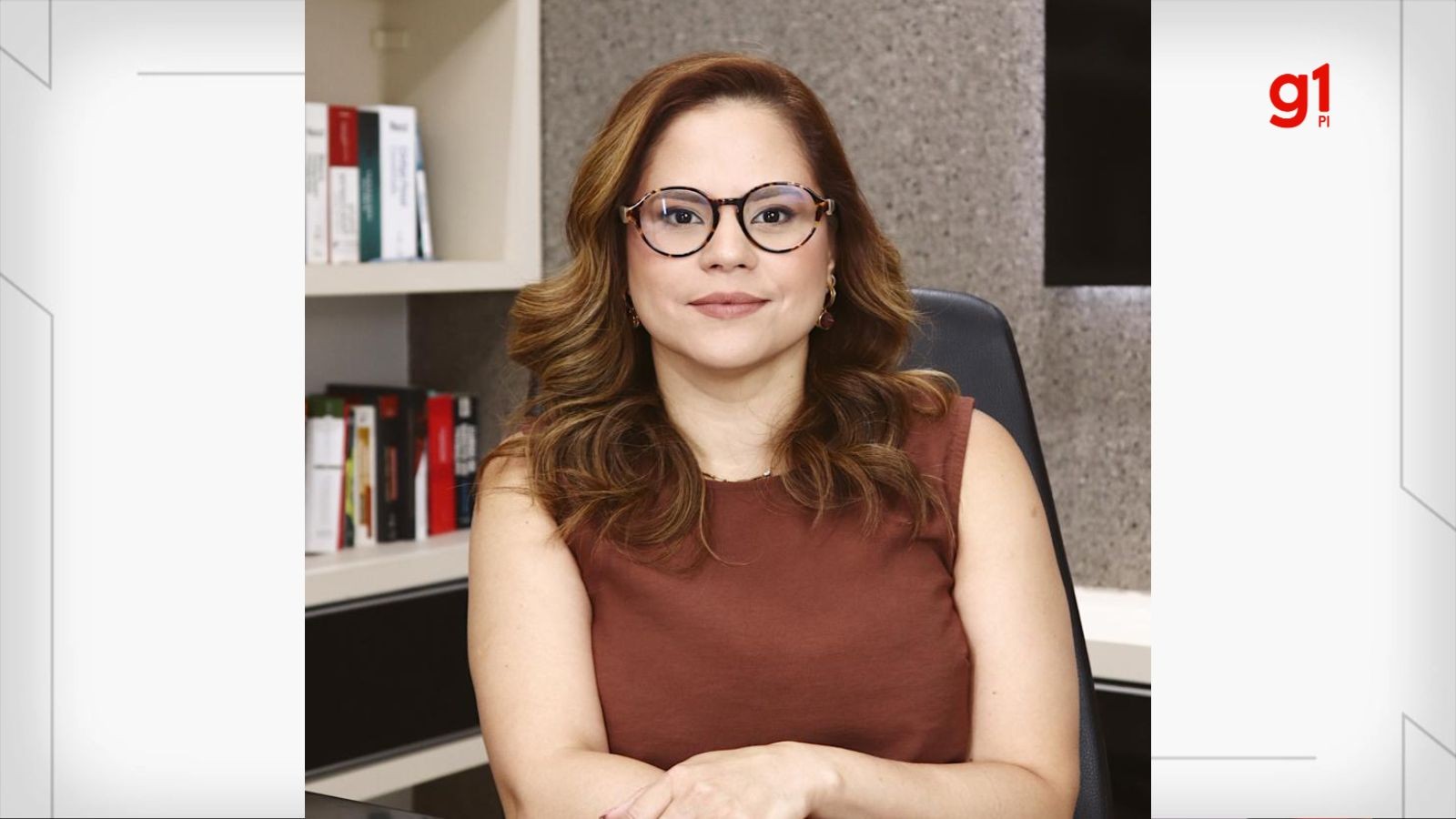
Attorney Hillana Martina Lopes Mousinho Neiva Dourado has been appointed as a titular judge at the Piauí Regional Electoral Court (TRE-PI). The decree, signed by President Luiz Inácio Lula da Silva, was published in the Official Gazette of the Union on Tuesday, February 7th. This appointment marks a significant milestone as she is the first woman to hold this position representing the legal profession on the court. Concurrently, attorney Daniel Eufrásio de Sousa Alves was reappointed for another two-year term as a titular judge at TRE-PI. These nominations fill the two seats designated for legal professionals within the court's composition. Lopes expressed deep gratitude for the appointment, emphasizing the heightened responsibility given the upcoming election year. She highlighted the crucial role of electoral justice in ensuring integrity, transparency, and fairness in elections, thereby upholding the voter's will within legal boundaries. The new judge also views her appointment as a landmark for female participation in the state's electoral justice system, hoping it will inspire other women to pursue leadership roles through competence and dedication. With over 15 years of legal experience, Lopes holds degrees in Law from the Federal University of Piauí (UFPI) and specializes in Public and Electoral Law. She will succeed attorney José Maria de Araújo Costa, whose term has concluded, while Eufrásio, who joined the court in June 2024, will continue his tenure.
The appointment of Hillana Lopes as the first woman lawyer judge at TRE-PI signifies a progressive step towards gender parity in judicial leadership within Brazil's electoral system. While celebrating this achievement, it's important to consider the broader systemic implications for judicial diversity and representation. The timing, coinciding with an election year, underscores the critical function of electoral courts in maintaining democratic processes. Future policy considerations might focus on establishing clearer pathways and support structures to ensure sustained female representation across all levels of the judiciary, moving beyond symbolic appointments to embed equitable practices. This development prompts reflection on how institutional frameworks can proactively foster environments where merit and diverse backgrounds are consistently recognized and integrated into decision-making bodies, particularly in sensitive areas like election oversight.
AI-generated to prompt reflection — not editorial opinion, not advice, not a statement of fact. How this works.