Himalayan Leopards and Humans Clash Amidst Habitat Changes
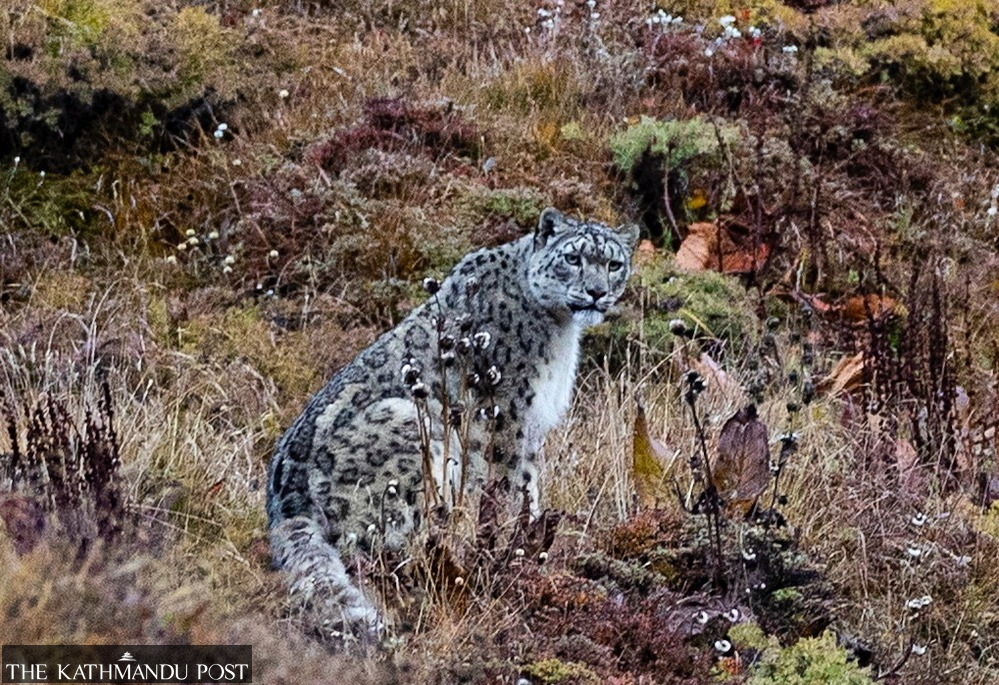
Conflicts between humans and leopards are escalating in the Himalayas, driven by expanding forest cover and the impacts of climate change. These environmental shifts are forcing the big cats into closer proximity with human settlements, leading to increased encounters and tensions. The situation highlights a growing challenge in coexisting with wildlife as natural habitats are altered. Conservationists and local communities are exploring potential solutions to mitigate these human-wildlife conflicts. The article suggests that proactive measures and adaptive strategies are necessary to manage the evolving relationship between leopards and people in the region. Addressing the root causes, such as habitat fragmentation and climate-induced migration, is crucial for finding sustainable coexistence strategies. The need for innovative approaches is emphasized to ensure the safety of both humans and leopards. The growing interaction points to a complex interplay between ecological changes and human activities in the Himalayan landscape. Finding effective resolutions will require collaboration and a deep understanding of the species' behavior and needs.
The increasing human-leopard conflict in the Himalayas appears to be a direct consequence of ecological shifts, including forest expansion and climate change, which are altering wildlife habitats. This situation presents a classic challenge of human-wildlife coexistence, where environmental pressures force species into human-dominated landscapes. The core issue lies in the dynamic equilibrium between expanding human populations and the conservation needs of large predators. Future strategies must integrate ecological resilience with community safety, potentially through improved land-use planning, early warning systems, and compensation mechanisms for livestock losses. The long-term sustainability of these solutions will depend on addressing the systemic drivers of habitat change and fostering collaborative governance models that empower local communities while upholding conservation imperatives.
AI-generated to prompt reflection — not editorial opinion, not advice, not a statement of fact. How this works.