Himalayan Region Faces Declining Yarsagumba Harvests, Threatening Livelihoods
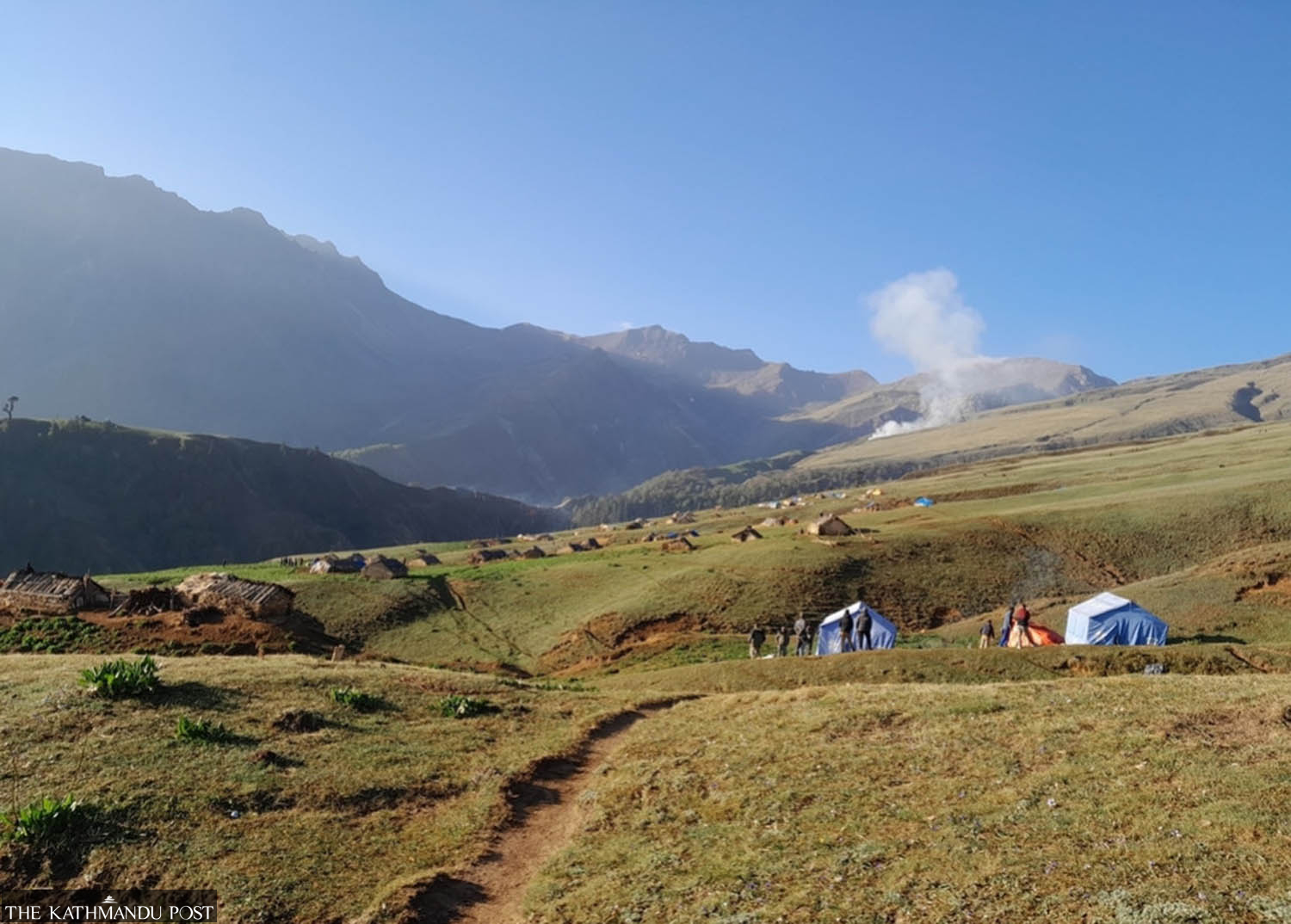
Collectors in the Mugu and Dolpa regions of the Himalayas are experiencing significantly reduced incomes due to declining yields of Yarsagumba, a highly prized fungus also known as "caterpillar fungus." This valuable natural resource, which forms a crucial source of livelihood for local communities, is facing severe pressure from environmental changes. The diminishing harvests are directly impacting the economic stability of the collectors who rely on this annual collection. Climate pressures are identified as a primary driver behind the weakening yields, suggesting a long-term challenge for the region. The situation highlights the vulnerability of traditional income sources to environmental shifts. As the availability of Yarsagumba decreases, so does the financial return for those who gather it. This trend poses a significant threat to the socio-economic fabric of these remote Himalayan communities. The decline in this prized harvest underscores the broader implications of climate change on biodiversity and local economies.
The declining Yarsagumba harvest in the Himalayas illustrates a critical intersection of climate change, biodiversity, and rural economies. As a high-value commodity, Yarsagumba's diminishing supply, driven by environmental pressures, creates significant economic precarity for local collectors. This situation prompts a need to explore sustainable harvesting practices and potential diversification of income streams to build resilience against climate-induced shocks. Future strategies may involve ecological monitoring, community-based conservation efforts, and exploring alternative economic development models that are less dependent on climate-sensitive resources. The long-term viability of such traditional livelihoods will likely hinge on adaptive management and a deeper understanding of ecosystem dynamics in a changing climate.
AI-generated to prompt reflection — not editorial opinion, not advice, not a statement of fact. How this works.