Hindu Temple's Growing Nandi Idol Sparks 'End of Kali Yuga' Speculation
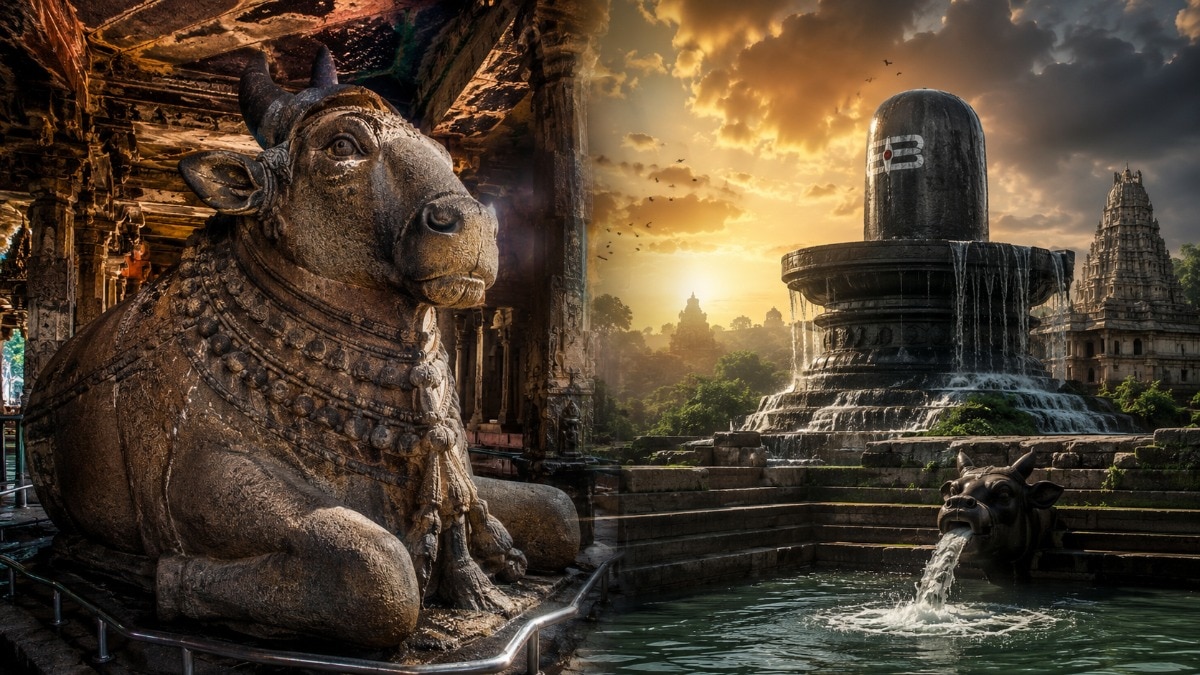
A temple in India is experiencing a phenomenon where the idol of Nandi, the bull vahana of Lord Shiva, is reportedly growing in size. Simultaneously, cracks have appeared in the temple's pillars. According to Hindu mythology, the increasing size of this Nandi idol is interpreted as a significant sign of the end of the Kali Yuga, the current epoch in Hindu cosmology. This belief stems from ancient scriptures and interpretations that link such physical changes in sacred idols to cosmic cycles and impending major events. The temple's location and specific name are not provided in the source material, but the reported occurrences have generated considerable discussion and religious interpretation among devotees and scholars alike. The phenomenon raises questions about the interplay of faith, folklore, and the physical world within religious traditions.
The narrative surrounding the growing Nandi idol and cracking pillars taps into deeply ingrained eschatological beliefs within Hinduism, specifically the concept of cyclical time and the Kali Yuga. Such interpretations, while potent for believers, highlight a common human tendency to seek tangible signs for abstract spiritual concepts. From a systems perspective, the perceived growth could be influenced by environmental factors affecting the idol's material over time, or by shifts in observer perception and cultural narratives. The 'cracks' might represent structural degradation or simply be interpreted through a symbolic lens. This event underscores the powerful role of religious symbolism in societal discourse, prompting reflection on how ancient prophecies are reinterpreted in the face of observable phenomena, and how these interpretations can influence community sentiment and belief systems.
AI-generated to prompt reflection — not editorial opinion, not advice, not a statement of fact. How this works.
