Hiroshima Carp Removes Player Yano Amidst Reports of Secret Meeting
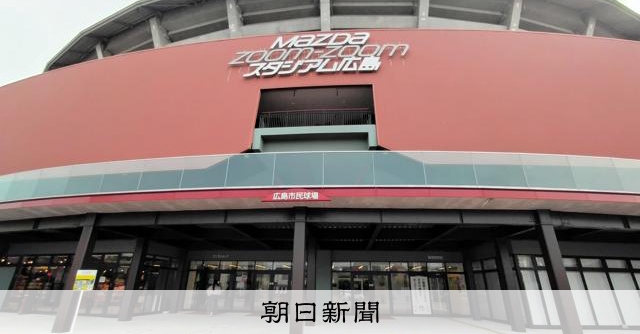
The Hiroshima Toyo Carp professional baseball team has removed player Ryoji Yano from the active roster. This decision follows media reports alleging that Yano was seen in a private meeting with an individual who had previously transferred "zombie tobacco." The exact nature of the "zombie tobacco" and the significance of its transferer remain unclear from the provided information. The team's action suggests a serious concern regarding Yano's association with this individual and the circumstances surrounding their reported meeting. Further details regarding the team's internal investigation or disciplinary process have not been disclosed. The club's management is likely evaluating the potential impact of this situation on team morale and public image. The removal from the roster indicates a temporary or potentially longer-term separation from team activities. The team has not yet announced any replacements or adjustments to the roster in light of Yano's absence.
The Hiroshima Toyo Carp's decision to remove Ryoji Yano from the roster, prompted by media reports of a meeting with a "zombie tobacco" transferer, highlights the critical intersection of athlete conduct, public perception, and organizational reputation. Baseball organizations, like other professional sports leagues, operate under intense public scrutiny, where player associations can significantly influence brand image and fan trust. The club's swift action, regardless of the full details of the meeting or the nature of the "zombie tobacco," signals a proactive approach to managing potential reputational risks. This incident underscores the evolving landscape of athlete endorsements and associations, where even indirect connections can trigger significant consequences in the digital age. Future considerations for sports organizations may involve more robust vetting processes for player associations and clearer guidelines on conduct that could be perceived as detrimental to the team's integrity.
AI-generated to prompt reflection — not editorial opinion, not advice, not a statement of fact. How this works.