Historian Argues War Can Be a Creative Force and Driver of Progress
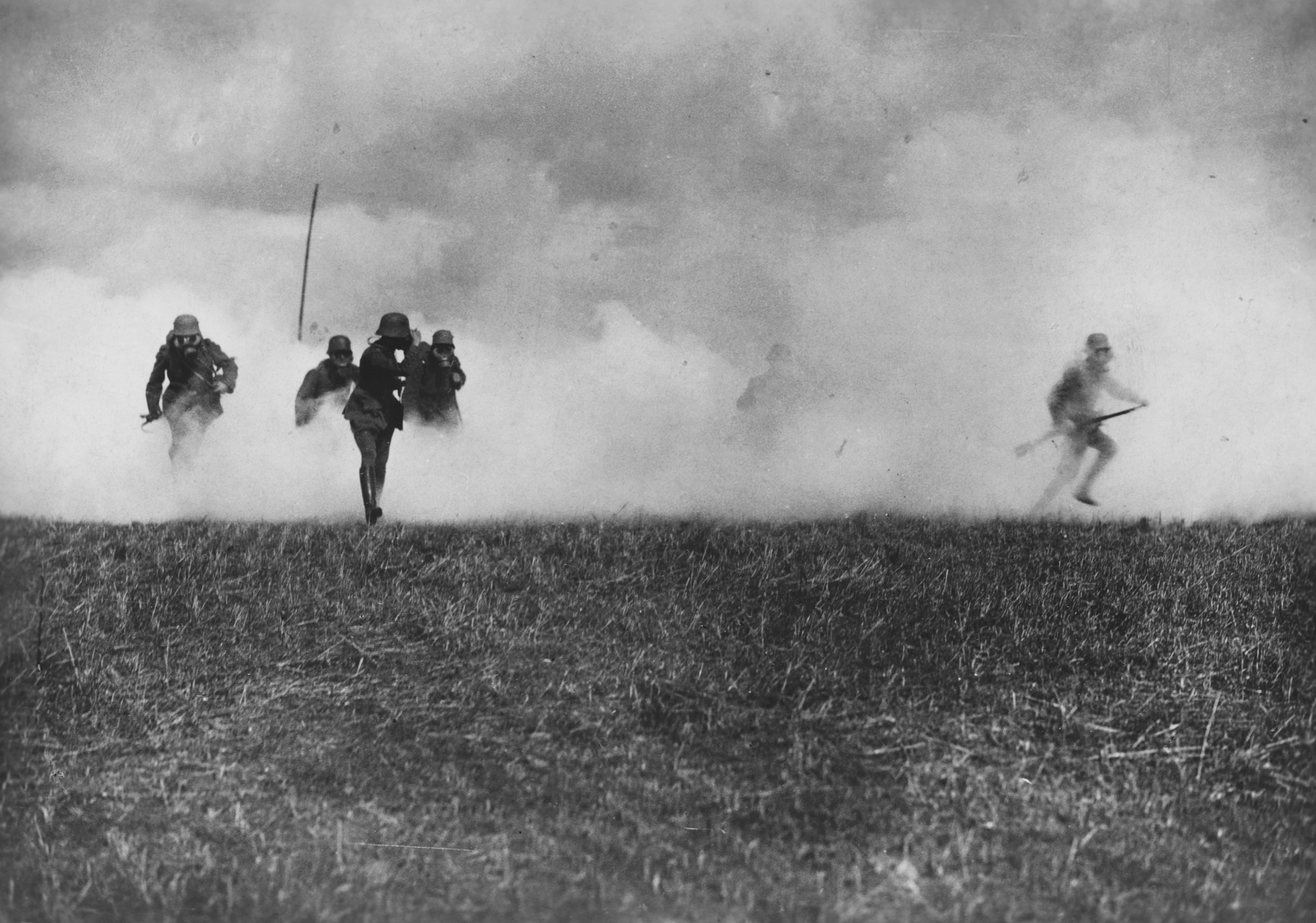
Historian Dieter Langewiesche has presented a provocative thesis suggesting that war, particularly in the context of modern European conflicts, can act as a creative force and a catalyst for progress. This perspective challenges conventional pacifist viewpoints and delves into the complex relationship between conflict and societal development. Langewiesche's work examines historical instances where warfare, despite its inherent destruction, has paradoxically spurred innovation, reshaped political landscapes, and led to significant social and technological advancements. The historian's argument is not a justification of violence but rather an analytical exploration of its multifaceted impacts throughout history. He posits that understanding war's potential as a driver of change is crucial for a comprehensive grasp of historical trajectories. This viewpoint is likely to be controversial, particularly among those who advocate for peace and non-violence. Langewiesche's research aims to provide a nuanced understanding of historical processes, acknowledging the destructive nature of war while also exploring its capacity to instigate transformative developments. The historian's findings are presented as a historical essay, intended for an audience prepared to engage with challenging and unconventional interpretations of past events.
This historical perspective frames conflict as a potentially transformative agent, a viewpoint that necessitates careful deconstruction to separate analytical insight from any potential justification of violence. The argument suggests that historical analysis can reveal how societal structures, technological capabilities, and political orders have been reshaped by warfare, leading to outcomes that, in retrospect, might be categorized as 'progress.' However, this framing requires scrutiny regarding the definition of 'progress' and the immense human cost often associated with such transformations. Future analysis should consider the long-term systemic implications of prioritizing conflict-driven change over peaceful evolution, especially in an era increasingly defined by global interconnectedness and the potential for catastrophic, technologically amplified warfare. Understanding the incentive structures that lead societies to engage in conflict, and exploring alternative pathways for innovation and societal advancement, will be critical for navigating the complex challenges of the coming decades.
AI-generated to prompt reflection — not editorial opinion, not advice, not a statement of fact. How this works.