Historian Dragan Popović on the Erosion of Truth and Srebrenica
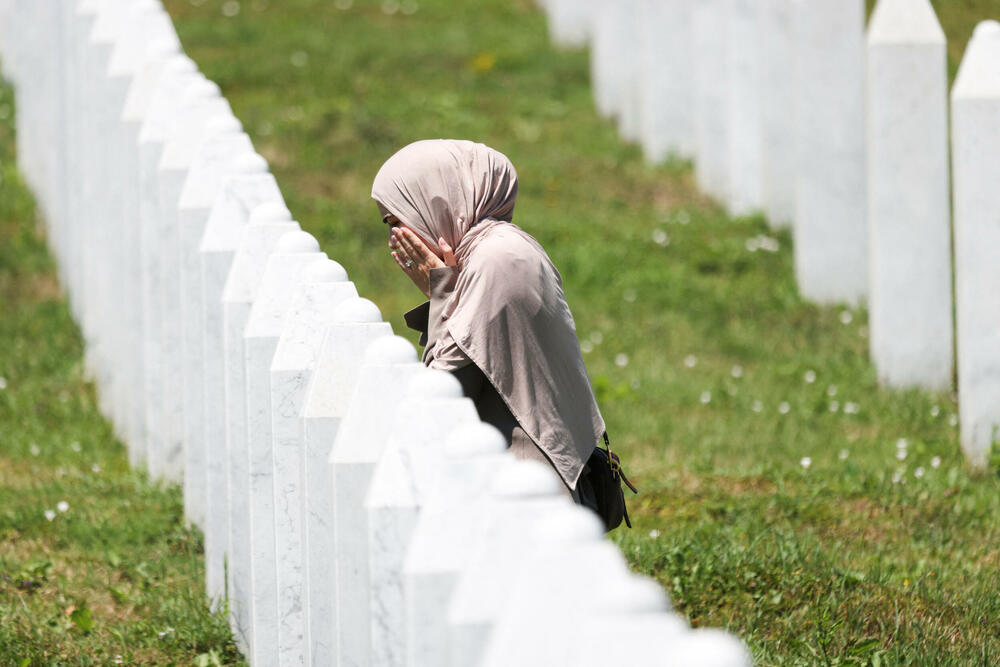
Historian Dragan Popović warns that teaching new generations that lying is permissible will have severe consequences. He asserts that if lying about Srebrenica is deemed acceptable, it opens the door to dishonesty about any matter, provided a "higher interest" can be found. Popović stated that there is no evidence of Montenegrin leadership's direct involvement in carrying out the genocide in Srebrenica. However, he noted that as staunch allies of Slobodan Milošević at the time, they had access to Supreme Defense Council documents. Popović emphasized that this leadership knew about the genocide after it occurred and participated in its cover-up and denial.
The historian's commentary highlights a critical societal concern regarding the normalization of falsehoods and its potential impact on future generations. The assertion that political actors may have been complicit in denying or concealing historical atrocities, even without direct participation in the acts themselves, points to systemic issues of accountability and historical memory. This situation underscores the tension between national interests, political alliances, and the imperative of factual historical representation. The long-term implications of such narratives can shape national identity and international relations, suggesting a need for robust educational frameworks that prioritize critical thinking and historical accuracy to counter revisionism and foster genuine reconciliation.
AI-generated to prompt reflection — not editorial opinion, not advice, not a statement of fact. How this works.