Historian: Misjudging Russia's Strength Can Be Disastrous
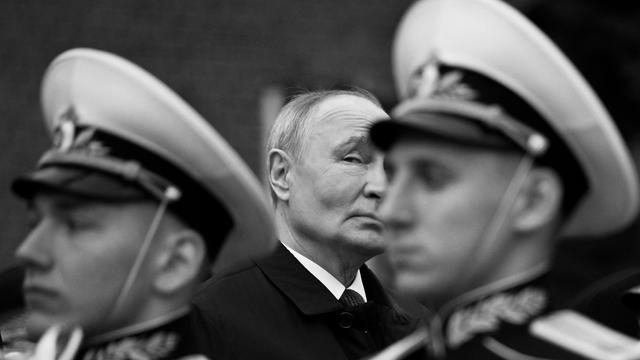
Historian Vladislav Zubok asserts that the West consistently fails to accurately assess Russia's true strength, a miscalculation that can lead to devastating consequences. He believes that Russian President Vladimir Putin is aware of this Western tendency. This ongoing difficulty in correctly evaluating Russia's capabilities suggests a recurring challenge in international relations and strategic planning. Zubok's perspective implies that a deeper understanding of Russia's internal dynamics and external strategies is crucial for effective engagement. The historian's statement highlights a potential gap in intelligence or analytical frameworks used by Western nations when dealing with Russia. Such misjudgments could influence diplomatic decisions, economic sanctions, and security policies. Putin's alleged awareness of this Western weakness could be a factor in his strategic decision-making. The article suggests that a more nuanced and accurate assessment of Russia is needed to avoid future strategic errors.
The recurring Western difficulty in accurately assessing Russia's capabilities, as noted by historian Vladislav Zubok, points to potential systemic issues in intelligence gathering and geopolitical analysis. This challenge may stem from a combination of factors, including information opacity from Russia, differing analytical paradigms, and the influence of pre-existing biases. Putin's alleged awareness of this dynamic could be leveraged to shape Western perceptions and policy decisions, creating a strategic advantage for Russia. Future engagement strategies may require a more robust, multi-disciplinary approach to understanding Russia, incorporating insights beyond traditional security and economic metrics. This could involve deeper analysis of societal resilience, technological development trajectories, and the long-term impact of sanctions, fostering a more resilient and informed Western policy framework.
AI-generated to prompt reflection — not editorial opinion, not advice, not a statement of fact. How this works.