Historian Traces Fascism and Revolution from WWI to Civil War
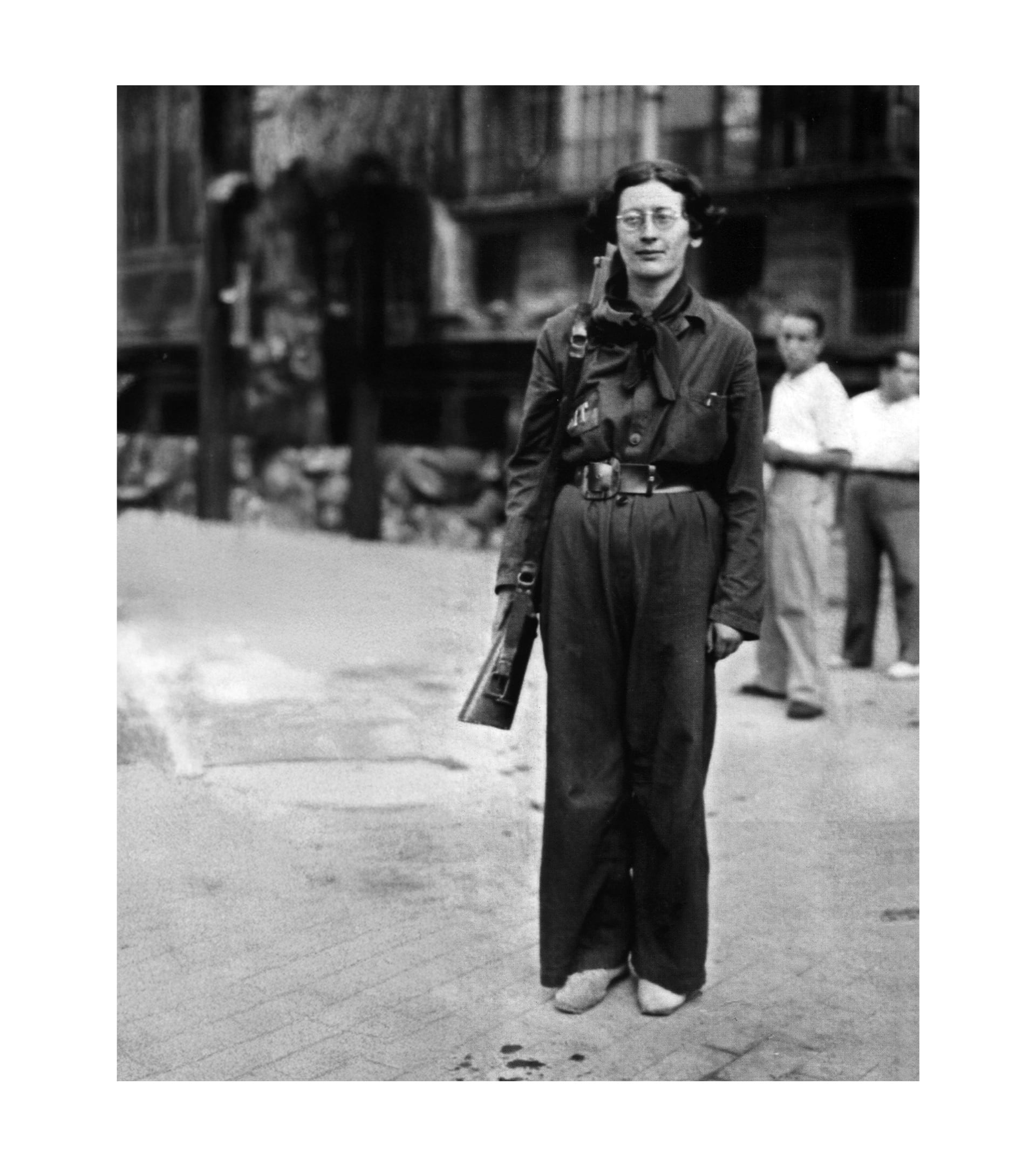
Historian Juan Andrade's urgent new book, 'The Sky and the Ruins,' examines key politicians and writers who shaped the development of two contrasting ideals in Europe. The work delves into the conceptualization of the 'new fascist man' as a dreamed-of ideal. Simultaneously, it explores the socialist utopia of an egalitarian society. Andrade's research spans the period from the First World War through the subsequent Civil Wars. The book aims to provide a comprehensive fresco of these ideological movements. It highlights the figures who were instrumental in articulating and promoting these visions. The narrative connects the post-WWI landscape to the revolutionary fervor that followed. Andrade's analysis seeks to understand the roots and evolution of these powerful, competing ideologies.
This historical account examines the ideological currents of fascism and socialism that emerged in early 20th-century Europe, particularly in the wake of World War I. The analysis of 'the new fascist man' and the socialist utopia highlights the era's search for radical societal transformation. Understanding the appeal and development of these competing visions is crucial for recognizing how political movements gain traction. By tracing these ideas from WWI through civil conflicts, the work implicitly underscores the long-term consequences of ideological polarization and the pursuit of utopian ideals. The study offers insights into the systemic factors that drive societal upheaval and the enduring human desire for order and equality, even when pursued through divergent and often conflicting means.
AI-generated to prompt reflection — not editorial opinion, not advice, not a statement of fact. How this works.