Historic Cemetery in Brazil Faces Demolition Risk Due to Highway Expansion
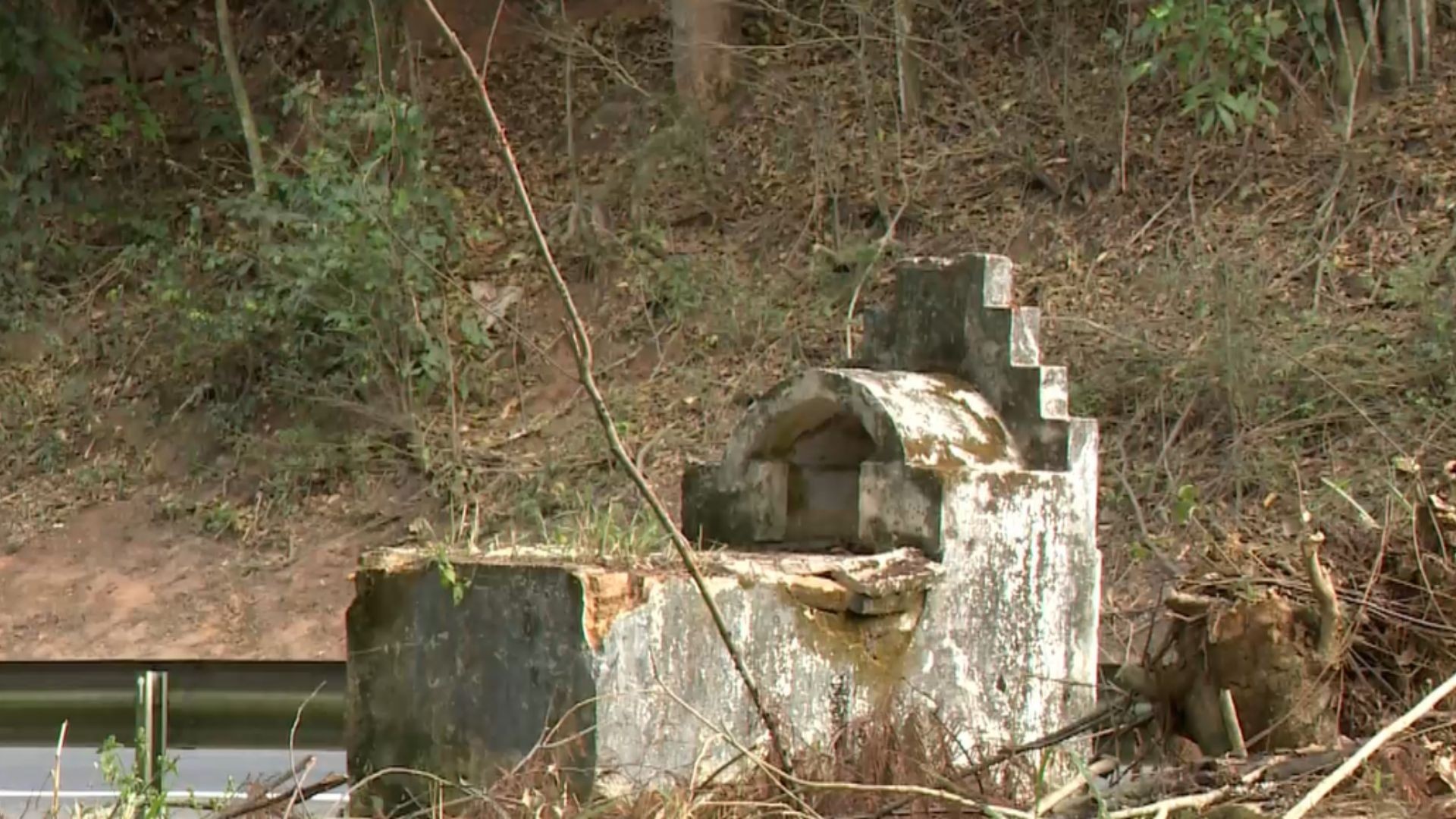
A century-old cemetery in Mimoso do Sul, Espírito Santo, Brazil, known as Santa Rosa Cemetery, is at risk of disappearing due to the planned duplication of the BR-101 highway. Local residents and scholars are concerned that the cemetery, situated near kilometer 444 of the highway, has already suffered damage from ongoing roadwork. They believe the cemetery contains graves of victims from the 1918-1920 Spanish Flu pandemic, including members of traditional local families like Lopes, Rodrigues, Dalbom, and Vieira. Professor Leonardo Lopes, a descendant of one of these families, discovered recently that his own relatives are buried there. The Spanish Flu, a devastating global pandemic, infected a quarter of the world's population and caused over 35,000 deaths in Brazil. Historian Renato Moafati explained that the cemetery was established away from populated areas at the time, serving as a burial site for those who died during the pandemic. Residents report that tombs have been damaged and overgrown with vegetation and debris, attributing the issues to recent interventions on the federal highway. While not opposing the BR-101 expansion, the community is advocating for the preservation of this historical site, requesting official recognition and demarcation. The Mimoso do Sul City Hall has pledged to clean the cemetery, though no timeline was provided. Ecovias Capixaba, the highway concessionaire, stated that the duplication in the relevant segment (kilometers 426 to 461) is scheduled for August 2032 and no duplication work is currently underway there. Any future interventions will be subject to technical, archaeological studies, and approval from the National Historical and Artistic Heritage Institute (Iphan), which mandates the identification and rescue of historical artifacts.
The situation at Santa Rosa Cemetery highlights a recurring conflict between infrastructure development and heritage preservation. While highway expansion is often framed as essential for economic progress and public safety, the potential loss of historical sites like this cemetery raises questions about the adequacy of current planning and consultation processes. The concessionaire's statement regarding future archaeological studies and Iphan's involvement suggests a procedural framework exists, but the reported damage indicates a gap between policy and on-the-ground execution. Future infrastructure projects could benefit from more proactive and inclusive heritage impact assessments, ensuring that community input and historical significance are integrated earlier in the design phase, rather than addressed reactively after damage has occurred. This approach would mitigate risks to cultural memory and potentially avoid costly delays or remediation efforts later in the project lifecycle.
AI-generated to prompt reflection — not editorial opinion, not advice, not a statement of fact. How this works.