Historic Dutch Roadhouse Closes After 183 Years, Becomes a 'Second Home'
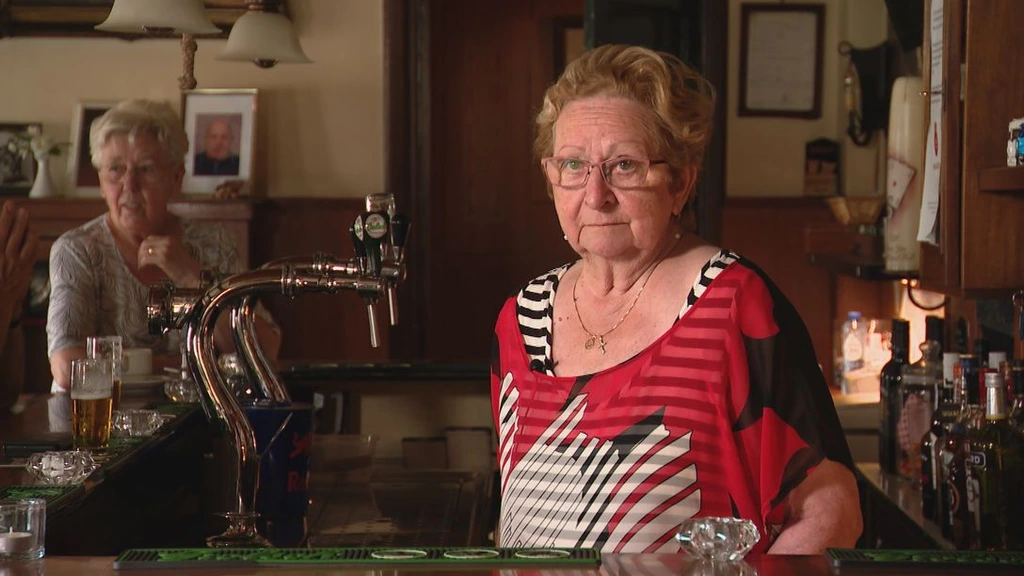
The roadhouse De Molshoof in Kelpen-Oler, Limburg, will permanently close its doors after 183 years of operation, marking the end of an era for its owner, 80-year-old Nelly Gubbels-Bollen, and the many truck drivers who frequented it. The restaurant, owned by the Gubbels family for five generations, has been a beloved spot, with Nelly Gubbels-Bollen herself starting work there at age twelve and never leaving. The impending demolition of the building is a painful prospect, as no buyer was found to take over the establishment. Everything must be cleared out by the end of November, with Nelly planning to keep only a few photographs and nameplates.
Truck drivers, who affectionately called the place 'Bie Moeders' (At Mother's), are bidding farewell to their cherished eatery. Joop Slootboom, a driver from Alphen aan den Rijn, has been visiting for ten years, describing it as a true second home where he sometimes ate daily. Fellow driver John Zeilstra echoed these sentiments, stating that while they will find other places to eat, chat, and shower, the unique atmosphere of hospitality, safety, and authenticity will be irreplaceable. Long-time employee Truus, 74, who worked alongside her 19-year-old grandson, will also depart but plans to work part-time at another nearby roadhouse to continue seeing the drivers. The site of De Molshoof will be redeveloped to include a gas station and a supermarket. Nelly's children decided against taking over due to the increasing difficulties in the hospitality industry, citing tripled costs, fewer events, and the demanding nature of the work, despite acknowledging it as the best business decision. Nelly Gubbels-Bollen, who worked full-time for years, will finally retire with no immediate plans beyond finding a new hobby.
The closure of De Molshoof after 183 years highlights systemic challenges within the traditional hospitality and roadside service sector. The generational transfer of ownership failed due to the perceived increasing difficulties and costs associated with the industry, as noted by the owner's son. This situation reflects broader economic trends impacting small, family-run businesses, particularly those reliant on transient customer bases like long-haul truckers. The development plans indicate a shift towards larger, standardized commercial services like gas stations and supermarkets, suggesting a market preference for efficiency and scale over the personalized, community-focused model that De Molshoof represented. Looking ahead, the future of such establishments may depend on adapting to evolving consumer needs and integrating technology to manage costs and enhance service, or finding niche markets that value their unique heritage and personal touch.
AI-generated to prompt reflection — not editorial opinion, not advice, not a statement of fact. How this works.