Historic Home Restoration Becomes Symbol Against Erasure in Juazeiro do Norte
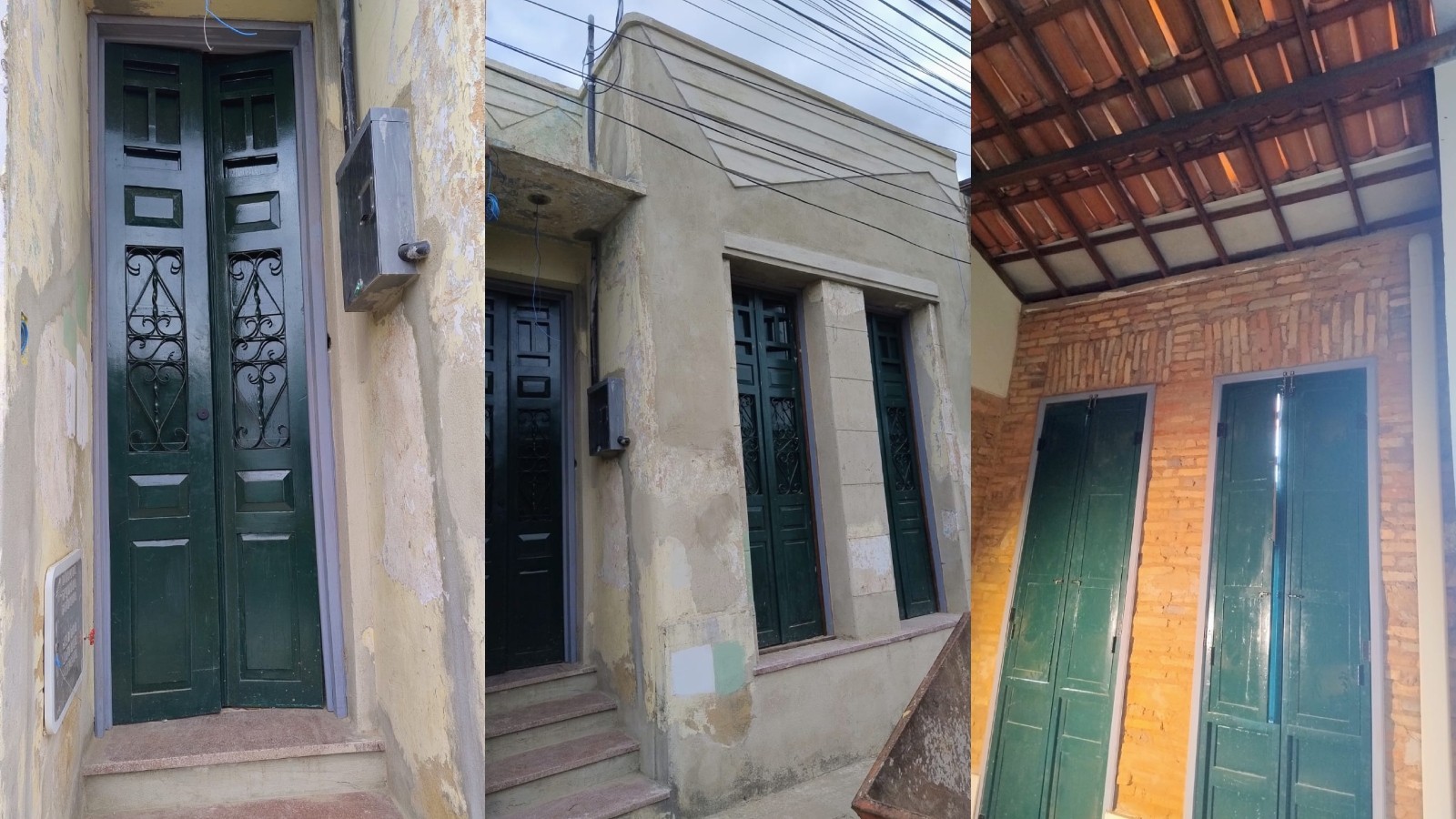
In Juazeiro do Norte, a city in Brazil's Ceará state, architect Hévila Ribeiro has purchased and begun restoring a mid-20th-century house, aiming to preserve historical memory against a backdrop of widespread architectural demolition. Ribeiro's initiative stems from her university research, which revealed that over 70% of historic homes in the city's center had been demolished, largely due to commercial and tourism development pressures. She noted that Juazeiro do Norte, despite its significance as a pilgrimage site and the birthplace of Padre Cícero, fails to visually tell its own history through its built environment. The restoration project, now in its second year, is meticulously preserving over 80% of the original structure, including doors, windows, and exposed brick walls, with artisanal tiles from Barbalha incorporated into the bathrooms. The architectural style reflects the eclectic influences of Brazil between the 1930s and 1950s, blending colonial, Art Deco, and Iberian elements. However, finding skilled labor with expertise in traditional construction techniques presents a significant challenge. Local historian Roberto Júnior, the municipality's Cultural Heritage Coordinator, confirms this loss of material identity, attributing it to decades of weak heritage legislation and intense real estate speculation. While Juazeiro do Norte has only 40 officially protected sites, it leads the region in this regard, though many historical landmarks, including those around the iconic Praça Padre Cícero, have been lost. Even religious and health-related historical sites, like the former Capela de Nossa Senhora do Rosário and the São Miguel Chapel, were demolished for perceived progress. In contrast, the city's religious heritage has seen recent recognition, with the Instituto do Patrimônio Histórico e Artístico Nacional (Iphan) officially designating the Sacred Places of Juazeiro do Norte as intangible cultural heritage. This designation includes significant sites like the Padre Cícero Complex and the Basilica Santuário Nossa Senhora das Dores, highlighting the immaterial value associated with these locations. This federal recognition is expected to boost tourism and cultural preservation efforts.
The case of Juazeiro do Norte illustrates a common tension between urban development driven by economic pressures and the preservation of cultural heritage. The city's rapid growth, fueled by commerce and tourism, has led to the demolition of historic structures, effectively erasing tangible links to its past. Architect Hévila Ribeiro's restoration project highlights the individual efforts that can counteract this trend, emphasizing the narrative and identity embedded in older buildings. The official recognition of Sacred Places as intangible heritage by Iphan offers a potential pathway for valuing cultural assets beyond their physical form, potentially creating new economic incentives that align heritage preservation with tourism. However, the long-term sustainability of such preservation hinges on robust municipal policies and public-private partnerships that can balance development needs with the protection of cultural memory, ensuring that progress does not come at the cost of historical identity in the coming decades.
AI-generated to prompt reflection — not editorial opinion, not advice, not a statement of fact. How this works.