Historic Restaurant Revives Forgotten Dishes, Resisting Modern Trends
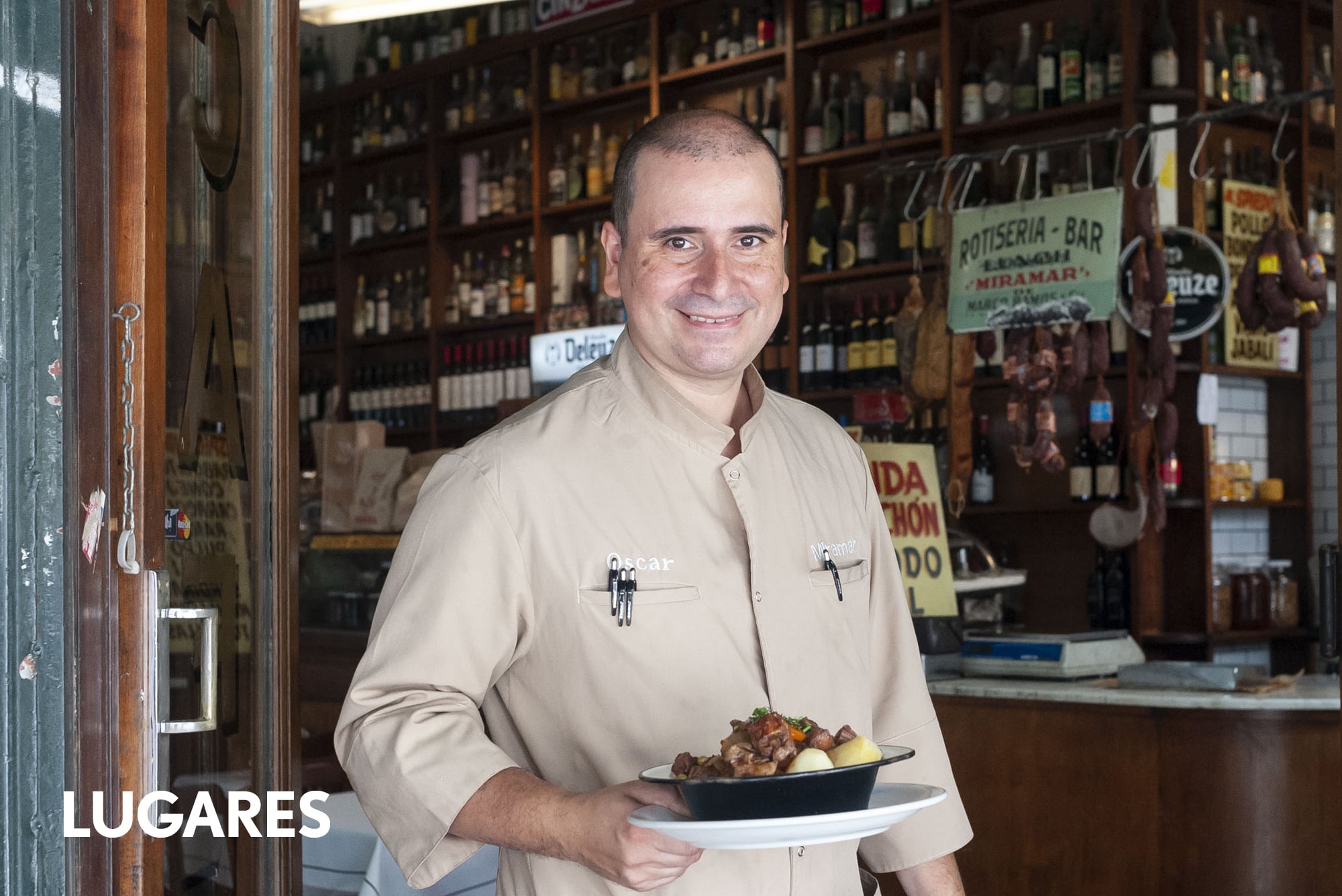
A historic restaurant, founded by a Galician immigrant, is dedicated to preserving traditional cuisine and reviving forgotten dishes. Specialties include frog legs Provençal, snails, and oxtail. The establishment has maintained its original essence and is now entering its fourth generation under the same family's stewardship. This commitment to heritage stands in contrast to contemporary culinary trends, as the restaurant notably refuses to serve popular dishes like milanesas. The focus remains on unique, historical recipes, ensuring a distinct dining experience that honors its origins. The family's dedication ensures the continuation of these culinary traditions for future generations.
This establishment's commitment to preserving traditional and less common dishes highlights a cultural preservation effort within the food industry. By resisting mainstream culinary trends, it carves out a niche that appeals to diners seeking authenticity and historical culinary experiences. This strategy, while potentially limiting broad market appeal, fosters a loyal customer base interested in heritage. The long-term viability of such a model depends on its ability to balance tradition with evolving consumer expectations and operational costs, especially as it navigates generational transitions. The restaurant's success offers a case study in maintaining brand identity and cultural relevance in a rapidly changing global food landscape.
AI-generated to prompt reflection — not editorial opinion, not advice, not a statement of fact. How this works.