Historic Silos in São Paulo's Favela do Moinho Face Demolition Due to Collapse Risk
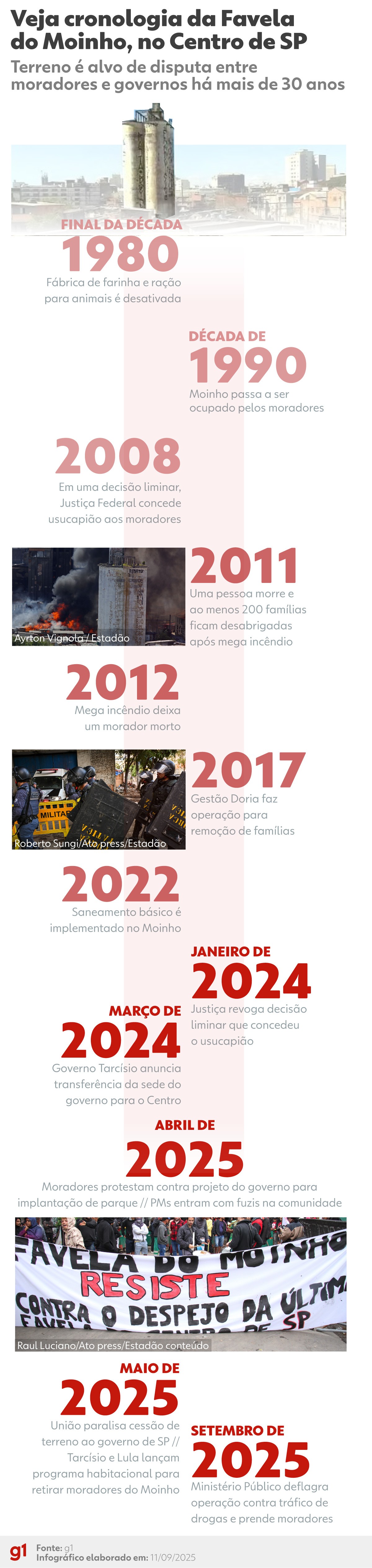
The old silos of Moinho Central, structures that gave their name to Favela do Moinho in downtown São Paulo, have begun demolition following a technical report identifying an imminent risk of collapse. The demolition, initiated ten days ago, has no set completion date. The State Secretariat for Urban Development and Housing made the decision after a report by the Regional Council of Engineering and Agronomy (Crea-SP) found severe structural flaws in the six silos of the former industrial complex.
These concrete silos, each approximately 27 meters high and 6 meters in diameter, were built in the 1960s to store wheat for flour production. The Crea-SP report detailed cracks, deep fissures, corroded reinforcement, and a risk of upper slab collapse, with one slab already having fallen. The Moinho Central complex, established in 1949, was abandoned in the early 1990s, leading to its occupation by homeless families and the formation of Favela do Moinho.
Favela do Moinho, situated in the Bom Retiro neighborhood, was the last remaining favela in central São Paulo and a symbol of housing disputes in the area. Over three decades, it experienced land conflicts, fires, police operations, and public authority clashes. This year, state and federal governments facilitated the community's relocation into housing programs. The site is slated for transformation into a park as part of the Campos Elíseos redevelopment project.
The demolition of the Moinho Central silos, necessitated by structural decay and safety concerns, marks a significant transition for the Favela do Moinho site. This event highlights the ongoing tension between urban heritage preservation and the imperative for public safety and redevelopment. The transformation of the area into a park, following the relocation of residents, reflects a broader trend in urban planning that prioritizes public space and housing solutions, albeit at the cost of historical industrial structures. The long-standing issues of land rights and housing in central São Paulo underscore systemic challenges in urban governance, where historical occupation meets modern development needs. The future of such sites will likely involve complex negotiations between community interests, economic development, and the preservation of urban memory in an era of rapid technological and social change.
AI-generated to prompt reflection — not editorial opinion, not advice, not a statement of fact. How this works.