Historic Steam Train Between São João del Rei and Tiradentes Gets New Operator in September
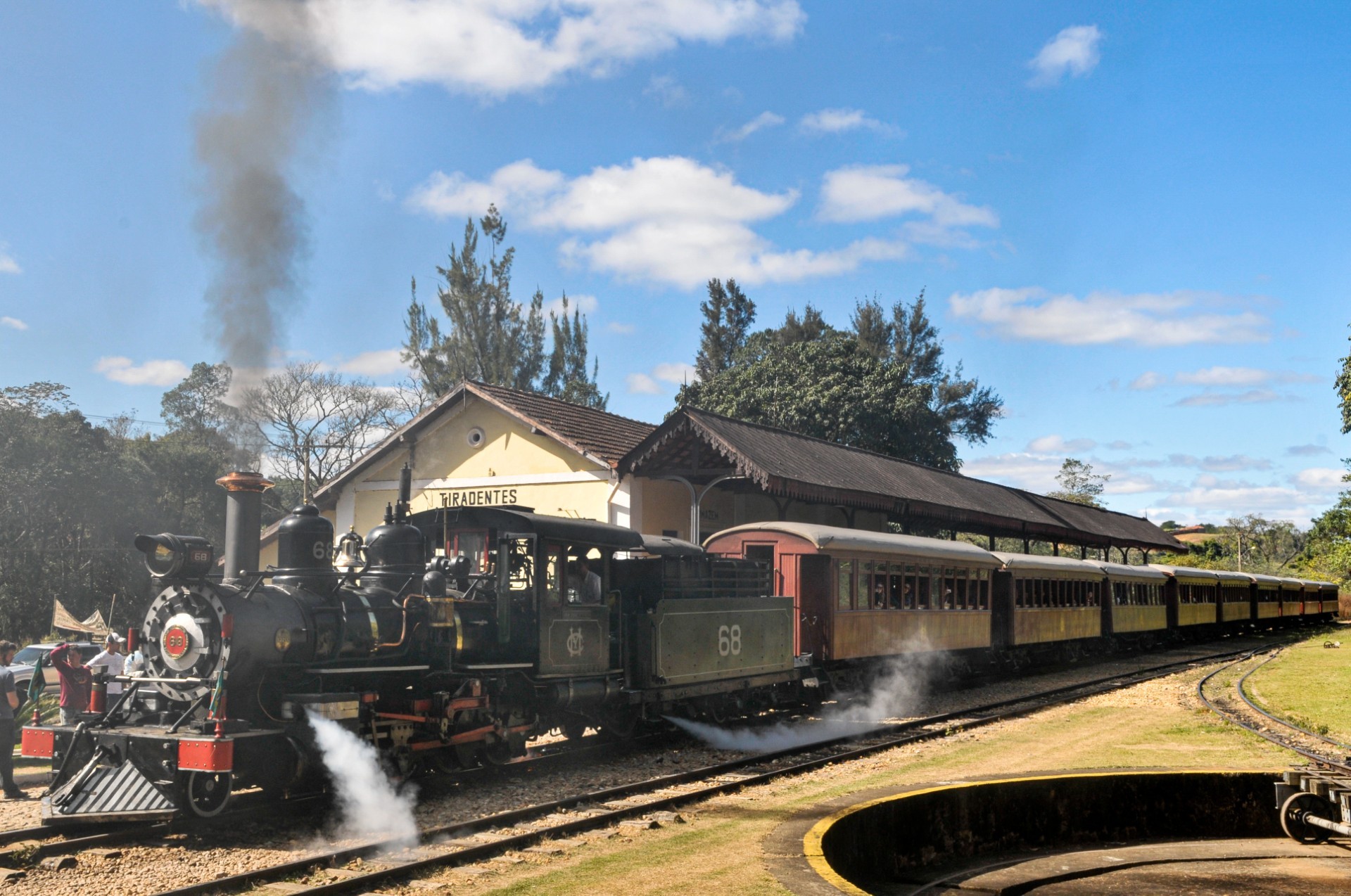
The traditional steam train service connecting the historic cities of São João del Rei and Tiradentes in Minas Gerais, Brazil, will transition to a new operator starting September 1st. This change follows the conclusion of VLI's concession contract, which has been in effect since 1996. The decision comes after a review of the railway's concession agreement by the National Historical and Artistic Heritage Institute (Iphan) and the Federal Public Prosecutor's Office (MPF).
Beginning in September, direct management of the railway will fall under the responsibility of the two municipalities. A term of administrative cession for the São João del Rei and Tiradentes Railway Complex was signed on June 23rd between VLI, Iphan, and the municipal governments, facilitating the transition to a new operating entity. VLI stated that the future operation will focus exclusively on tourism and the preservation of the cultural heritage represented by the steam train and the Railway Museum, with oversight from the National Land Transport Agency (ANTT) and other relevant bodies. VLI will continue to manage operations until the transition is complete, ensuring continuity for regional tourism.
The São João del Rei city hall confirmed that VLI's operations on the Ferrovia Centro-Atlântica (FCA) have ceased following the contract review and the expiration of the federal concession. The municipalities will manage their respective sections of the railway, with a specialized entity experienced in railway heritage preservation handling the operation, adhering to Iphan and MPF directives. Notably, the new operator will bear all operational costs, imposing no financial burden on the municipalities. The 12km route, operated by one of the world's few remaining operational steam locomotives and the oldest in Brazil, is a significant historical and tourist attraction in Minas Gerais, originally inaugurated in 1881.
The handover of the historic São João del Rei-Tiradentes steam train operation from a private concessionaire to municipal management, alongside a specialized heritage operator, represents a shift in governance for a significant cultural asset. This transition, driven by contract reviews and regulatory oversight from Iphan and the MPF, aims to prioritize tourism and heritage preservation. The model's success will hinge on the new operator's capacity to balance operational efficiency with the preservation mandate, ensuring financial sustainability without municipal funding. Future challenges may include integrating this heritage service within broader regional transportation and tourism strategies, adapting to evolving visitor expectations in the digital age, and maintaining the unique historical character of the railway against potential commercial pressures. The long-term viability will depend on robust inter-municipal cooperation and effective oversight to safeguard this important piece of Brazilian industrial heritage.
AI-generated to prompt reflection — not editorial opinion, not advice, not a statement of fact. How this works.