Historic Weather Station in Juiz de Fora Continues 53 Years of Meteorological Data Collection
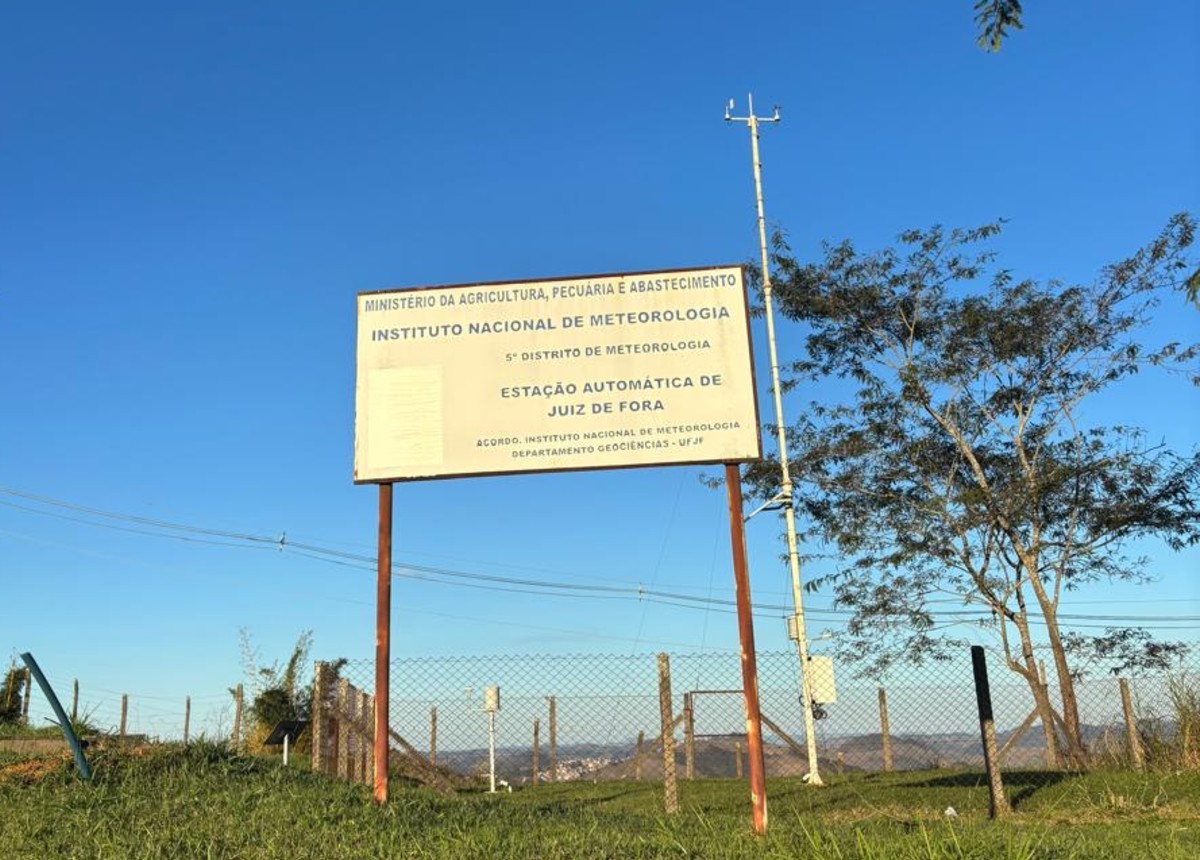
A historic meteorological station operated by the National Institute of Meteorology (Inmet) at the Federal University of Juiz de Fora (UFJF) has been collecting vital weather data for 53 years. Located at an altitude of 936 meters, the station adheres to national and international standards, contributing its data to the World Meteorological Organization (WMO). Cássia Ferreira, coordinator of the Laboratory of Climatology and Environmental Analysis (LabCAA), has been involved with the station for nearly 40 years, ensuring the daily observation and recording of temperature, rainfall, and other meteorological information. The station operates both automatically, sending hourly data to Belo Horizonte, and through manual measurements taken by observers like Ferreira and Yan Carlos Gomes Viana. These manual observations are crucial for capturing sensory data such as cloud cover and visibility, which complement the automated system's readings. The station's location on campus adheres to strict technical requirements, including being situated on low-lying grass, using white equipment to reflect solar radiation, and maintaining a distance from trees and buildings to prevent interference with measurements. This standardized methodology ensures that data collected in Juiz de Fora is comparable to that from any other station worldwide integrated into the WMO network. While Juiz de Fora has seen meteorological observations dating back to 1890, the official station linked to the national system was established in 1910, creating a historical record of over 125 years. The station has moved several times since its inception, with its current location at UFJF dating back to May 11, 1972. Ferreira notes that the station's data, while not always reflecting urban center temperatures, represents regional meteorological conditions and is essential for understanding climate change, with recent records showing a noticeable increase in temperatures and days exceeding 30°C.
This Inmet station exemplifies the critical role of standardized, long-term data collection in understanding climate trends and informing global meteorological networks. The adherence to international protocols ensures data comparability, a foundational element for climate research and forecasting. The station's dual automated and manual operation highlights the enduring value of human observation in capturing nuanced environmental data that automated systems may miss, particularly relevant for climate change studies. The narrative implicitly points to the challenge of expanding meteorological coverage across Brazil, suggesting that a denser network of such standardized stations would enhance the accuracy of regional and national climate assessments. The observed temperature increases align with global warming trends, underscoring the importance of these historical datasets for tracking and responding to climate change impacts at a local and global scale.
AI-generated to prompt reflection — not editorial opinion, not advice, not a statement of fact. How this works.