Historic Wildfires Grip Europe Amid Extreme Conditions, Study Reveals
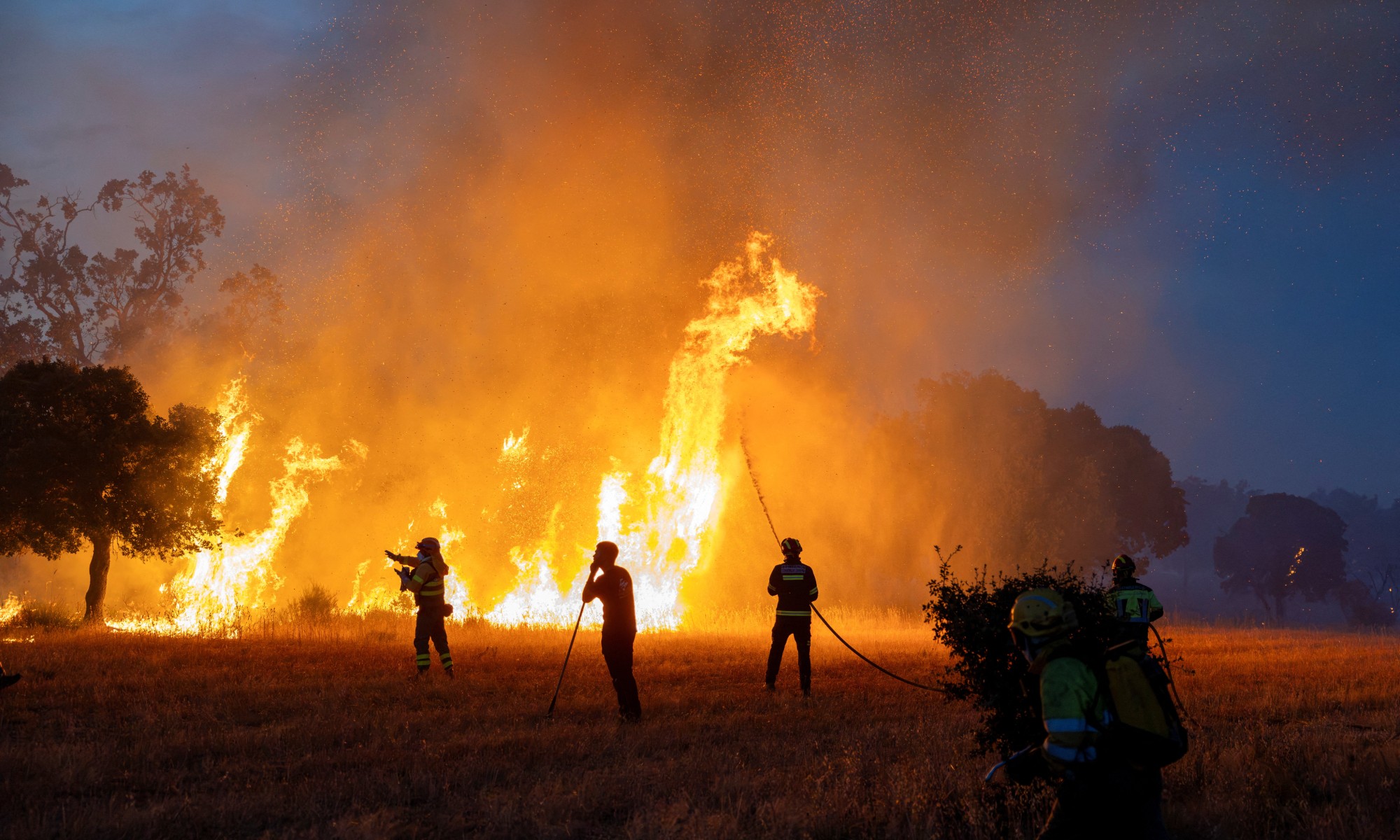
Historic wildfires are ravaging France and Spain, forcing hundreds of thousands to evacuate and challenging firefighting efforts. These are not isolated incidents, according to a study published in "Scientific Reports." The research indicates that Southern Europe faces increasing exposure to extreme heat, drought, and wind conditions that fuel rapid, intense, and difficult-to-control fires. Analyzing fire records and climate data from Portugal, Spain, France, Italy, and Greece between 1981 and 2025, the study found that the number of summer days with extreme fire conditions has more than doubled in parts of these countries, rising from under ten to approximately 25 days per season. This surge helps explain why current fires are reaching unprecedented scales, even with decades of prevention advancements. Although the annual number of fire occurrences has decreased by about 40%, those that escape initial control encounter hotter, drier, and more flammable landscapes, leading to larger and more unpredictable fires. Specifically, between 2016 and 2025, the combination of heat, low humidity, dry soil, and wind became up to 50% more intense in certain Spanish and French regions compared to the 1981-2010 average. Scientists attribute this trend to rising global temperatures intensifying weather patterns favorable to fire. While the overall number of fires has declined, likely due to stricter regulations and improved prevention, the danger has not diminished. The study highlights that fires which do ignite are now more prone to rapid growth and spread, with the Iberian Peninsula, particularly Spain, experiencing a significant portion of Southern Europe's burned area in 2025. This shift indicates a new fire dynamic in the region, necessitating enhanced prevention, better forecasting tools, and more standardized data collection across countries.
The escalating intensity and frequency of wildfires in Southern Europe, as detailed in the "Scientific Reports" study, underscore a critical feedback loop between climate change and environmental vulnerability. While a reduction in the absolute number of ignitions is noted, potentially due to improved preventative measures and regulatory frameworks, the increased severity of the fires that do occur points to a fundamental shift in landscape flammability. This suggests that current mitigation strategies may be insufficient to counter the amplified risk posed by extreme weather events, which are themselves exacerbated by global warming trends. Future policy and resource allocation must therefore prioritize adaptation to these intensified conditions, focusing on resilient land management practices and advanced early warning systems that account for complex climatic drivers like the North Atlantic Oscillation and El Niño. The challenge lies in developing integrated, cross-border approaches to data collection and response, acknowledging that localized efforts may be outpaced by the systemic nature of climate-driven risks.
AI-generated to prompt reflection — not editorial opinion, not advice, not a statement of fact. How this works.