Hitler's 1936 Berlin Olympics: A Lesson in Sports as Propaganda
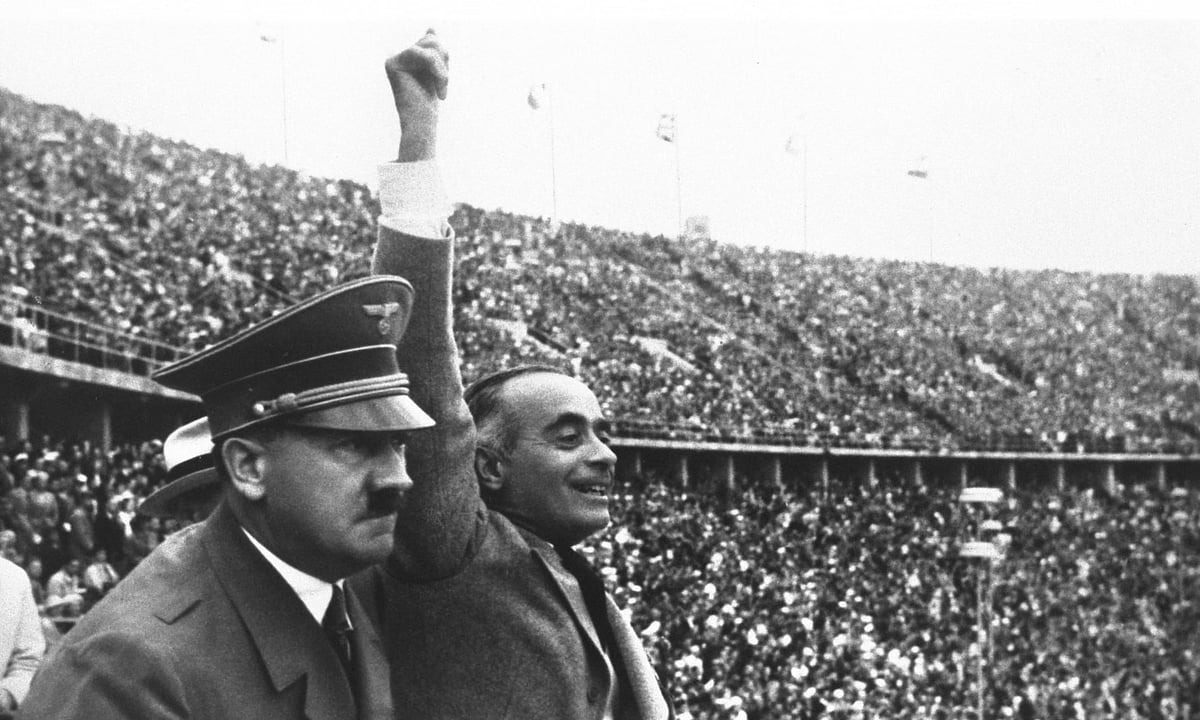
The 1936 Berlin Olympics serve as a crucial historical lesson, demonstrating that sports can transcend mere athletic competition to become a powerful tool for national propaganda. This event highlights how a government can transform a sports stadium into a platform for its ideology. However, the integrity, talent, and humanity displayed by athletes on the field can often prove more potent than the political agenda being promoted. The Olympics illustrate that while arenas can be used to advance state narratives, the spirit of individual athletic achievement and sportsmanship can resonate more deeply and enduringly.
The 1936 Berlin Olympics exemplify the historical tension between sports as a platform for nationalistic propaganda and the inherent human values of athletic competition. Governments have frequently sought to leverage international sporting events to project an image of national strength and ideological superiority. However, the enduring legacy of such events often lies not in the political messaging, but in the moments of individual excellence and human connection that transcend political boundaries. This historical precedent underscores the importance of maintaining the autonomy of sports from state-controlled narratives, ensuring that athletic arenas remain spaces for fair play and universal human achievement rather than tools for ideological dissemination. Future governance of international sports bodies will need to consider mechanisms to safeguard against such instrumentalization, promoting a global environment where sport fosters unity and understanding.
AI-generated to prompt reflection — not editorial opinion, not advice, not a statement of fact. How this works.
