Hitler's Birthplace in Austria Becomes Police Station to Deter Neo-Nazis
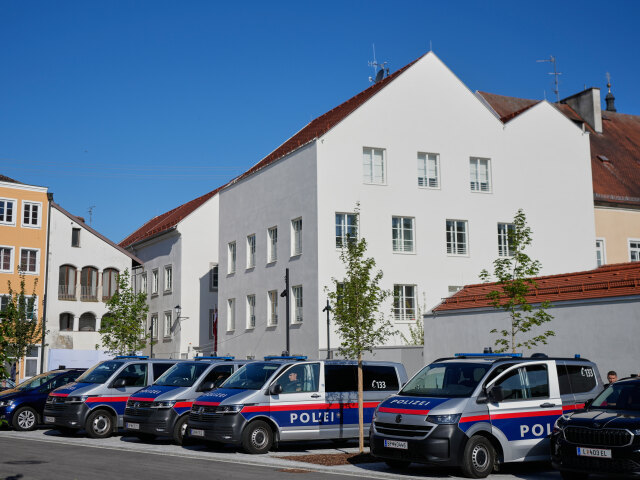
Austria officially opened a police station in the former birthplace of Adolf Hitler on Wednesday. The Austrian government hopes that the presence of law enforcement will deter neo-Nazis and far-right sympathizers from visiting the site where the Nazi dictator was born. This initiative aims to repurpose a location that has become a pilgrimage site for extremist groups. However, critics argue that this measure is primarily symbolic. They believe it does not address the root causes of neo-Nazi ideology or fully prevent such visits. The government's strategy relies on the idea that a police presence will disrupt the site's appeal to those who venerate Hitler. The building, located in Braunau am Inn, has long been a sensitive issue for Austria, grappling with its historical legacy. The decision to transform it into a police station represents a significant shift in how the country confronts this controversial landmark. The effectiveness of this symbolic act in combating far-right extremism remains a subject of debate.
Austria's repurposing of Adolf Hitler's birth home into a police station reflects a complex societal challenge: confronting historical sites associated with extremism. By installing a police presence, the government aims to neutralize the location's symbolic power for neo-Nazi pilgrimage, shifting its function from a potential shrine to a site of civic order. This strategy leverages the deterrent effect of law enforcement, attempting to disrupt the narrative and appeal of the site to extremist groups. However, the initiative's symbolic nature raises questions about its efficacy in addressing the underlying ideological drivers of far-right extremism. While physically occupying the space may alter its immediate use, the deeper challenge lies in countering the ideologies that draw individuals to such sites. Future efforts may need to consider educational programs and broader societal interventions to foster critical thinking and resilience against extremist propaganda, especially as digital platforms continue to disseminate such ideologies.
AI-generated to prompt reflection — not editorial opinion, not advice, not a statement of fact. How this works.