HIV Outbreak Among Children in Sindh, Pakistan Linked to Reused Syringes
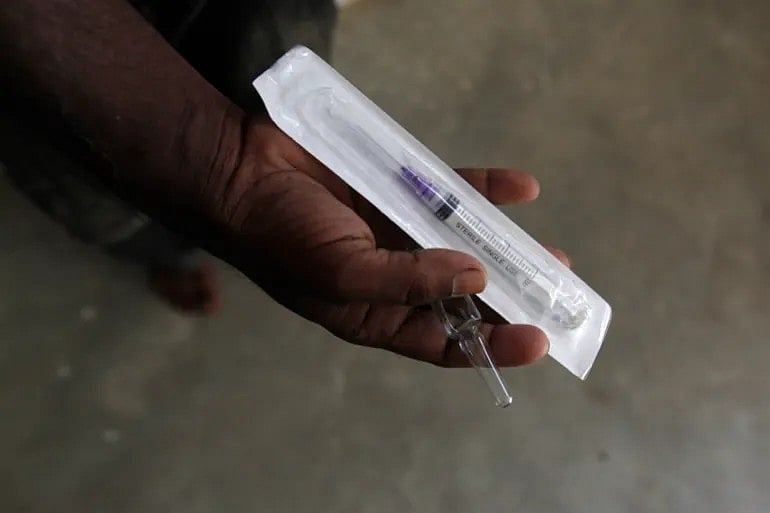
An outbreak of HIV infections among children in Sindh, Pakistan, is believed to have originated from a single hospital. The primary cause is suspected to be the reuse of disposable syringes. This practice, intended to save costs, has led to a significant public health crisis, affecting numerous young lives.
Health authorities in Pakistan are now grappling with the scale of the epidemic and the urgent need to implement stricter medical protocols. The incident highlights critical failures in healthcare practices and raises serious questions about patient safety and infection control measures within the region's medical facilities. Investigations are ongoing to determine the full extent of the outbreak and to hold responsible parties accountable.
The reported HIV outbreak in Sindh, Pakistan, stemming from the reuse of disposable syringes in a hospital setting, underscores a critical failure in infection control protocols. This situation highlights the severe public health consequences that can arise when cost-saving measures override essential safety standards. The incident points to systemic issues within healthcare governance, particularly concerning the oversight of medical supplies and the enforcement of sterilization and single-use policies. Moving forward, strengthening regulatory frameworks, enhancing healthcare worker training on infection prevention, and implementing robust auditing mechanisms will be crucial to prevent similar tragedies and ensure patient safety in the long term. The focus should be on building resilient healthcare systems that prioritize patient well-being over economic expediency.
AI-generated to prompt reflection — not editorial opinion, not advice, not a statement of fact. How this works.