Ho Chi Minh City Apartment Liquidity Weakens Amid High Prices and Increased Supply
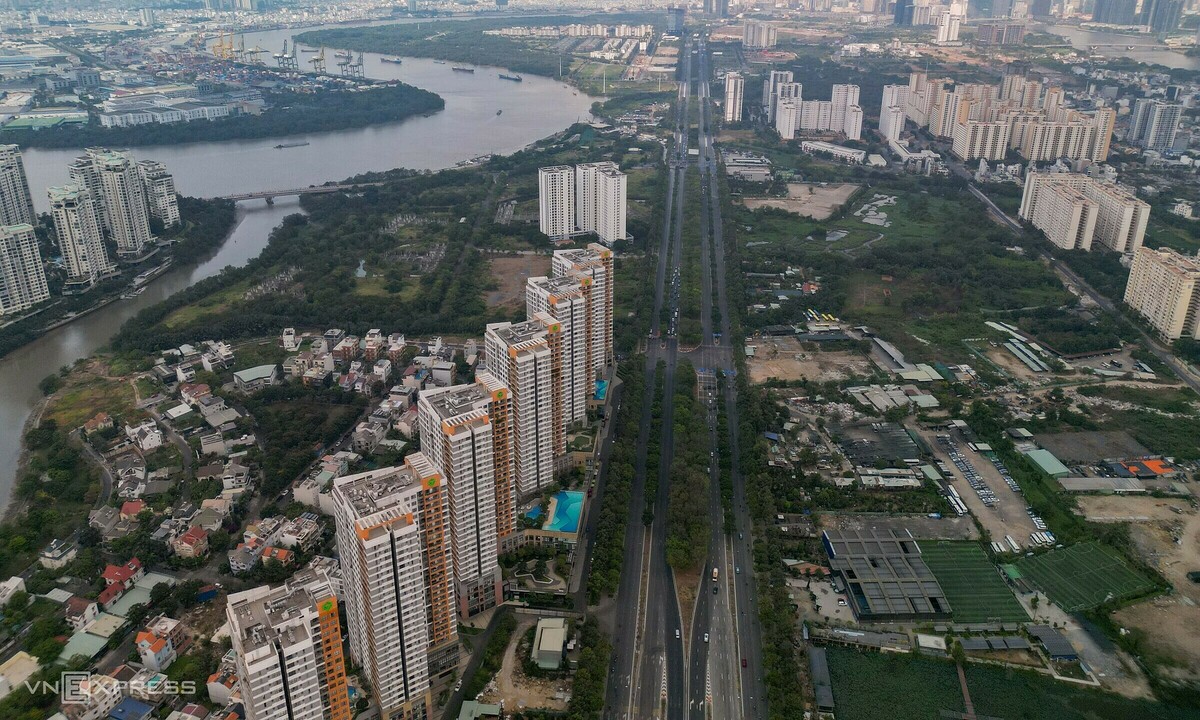
The liquidity of apartments in Ho Chi Minh City continues to decline, failing to meet expectations for recovery. This situation persists despite developers actively implementing demand stimulation measures. A significant increase in supply, coupled with persistently high price levels, is hindering the market's rebound. Buyers are likely deterred by the elevated costs, even as more units become available. The combination of abundant inventory and unaffordable prices creates a challenging environment for sales. Developers' efforts to boost demand have not been sufficient to overcome these fundamental market pressures. The current economic conditions and pricing strategies appear to be misaligned with buyer purchasing power. Consequently, the market is experiencing a sustained period of weak transaction activity. This trend suggests a need for strategic adjustments in pricing or supply management to revitalize the apartment sector.
The Ho Chi Minh City apartment market faces a liquidity crisis driven by a fundamental mismatch between supply and price. While developers are increasing inventory, the elevated price points are deterring potential buyers, negating demand-side incentives. This suggests a potential overestimation of market tolerance for current prices or a miscalculation in supply-side strategies. Looking ahead, sustained high prices in the face of weak demand could lead to increased inventory overhang, potentially forcing price corrections or prolonged market stagnation. The challenge for developers lies in recalibrating their pricing models and supply pipelines to align with the actual purchasing power and demand dynamics of the market, particularly in the context of evolving economic conditions and buyer sentiment over the next decade.
AI-generated to prompt reflection — not editorial opinion, not advice, not a statement of fact. How this works.