Ho Chi Minh City: From Port Metropolis to New Financial Hub
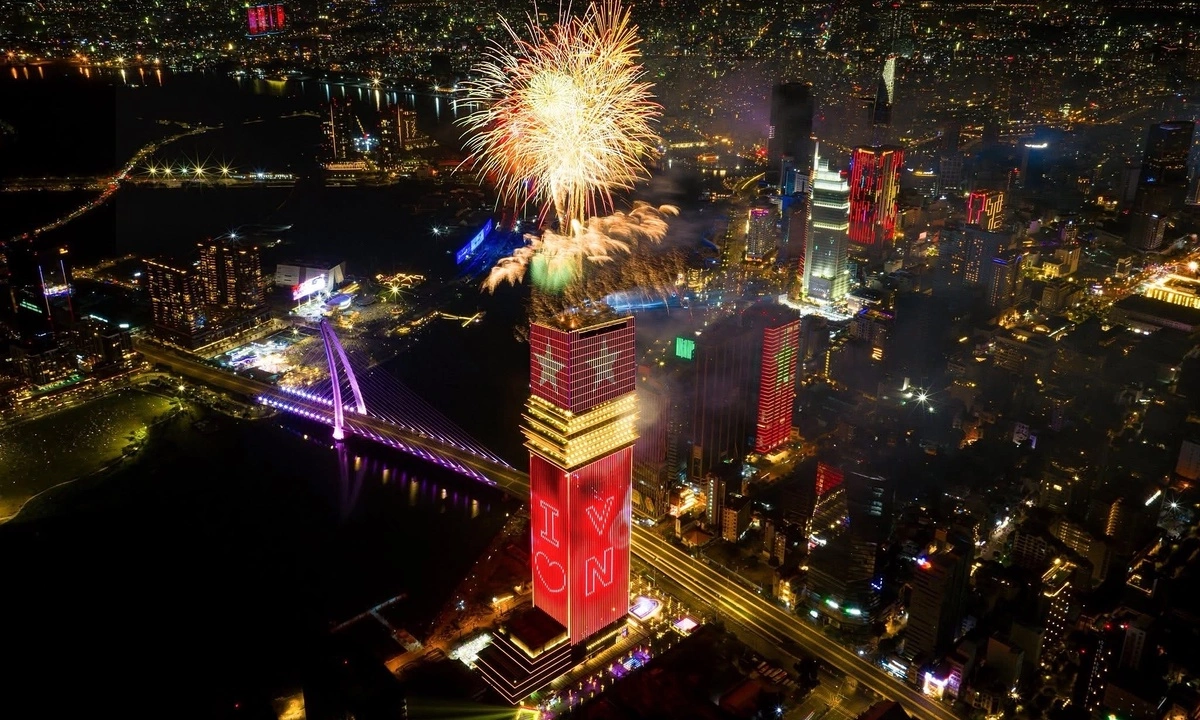
Ho Chi Minh City, renamed in honor of President Ho Chi Minh on July 2, 1976, has continuously expanded its economic role over the past half-century. Initially serving as a gateway for trade and later evolving into a center for production and commerce, the city now aims to become an International Financial Center. This transformation reflects a strategic shift in its economic development, moving beyond traditional trade and manufacturing to embrace a more sophisticated financial services sector. The city's leadership envisions a future where it plays a pivotal role in regional and global finance. This ambition is supported by ongoing infrastructure development and policy reforms designed to attract investment and foster innovation. The transition signifies a new chapter in the city's economic journey, building on its historical strengths while adapting to the demands of the modern global economy.
Ho Chi Minh City's ambition to become an international financial center represents a strategic pivot, leveraging its historical position as a trade hub. This move aligns with global trends of urbanization and the increasing importance of financial services in economic development. The success of this transition will depend on its ability to foster a robust regulatory environment, attract significant foreign investment, and develop a highly skilled workforce capable of competing on a global scale. Challenges may include managing rapid growth, ensuring financial stability, and adapting to technological advancements in fintech. The city's long-term economic trajectory will be shaped by its capacity to integrate its financial ambitions with sustainable development goals and its existing industrial base.
AI-generated to prompt reflection — not editorial opinion, not advice, not a statement of fact. How this works.