Ho Chi Minh City Prepares Basic-Level Hospital Network
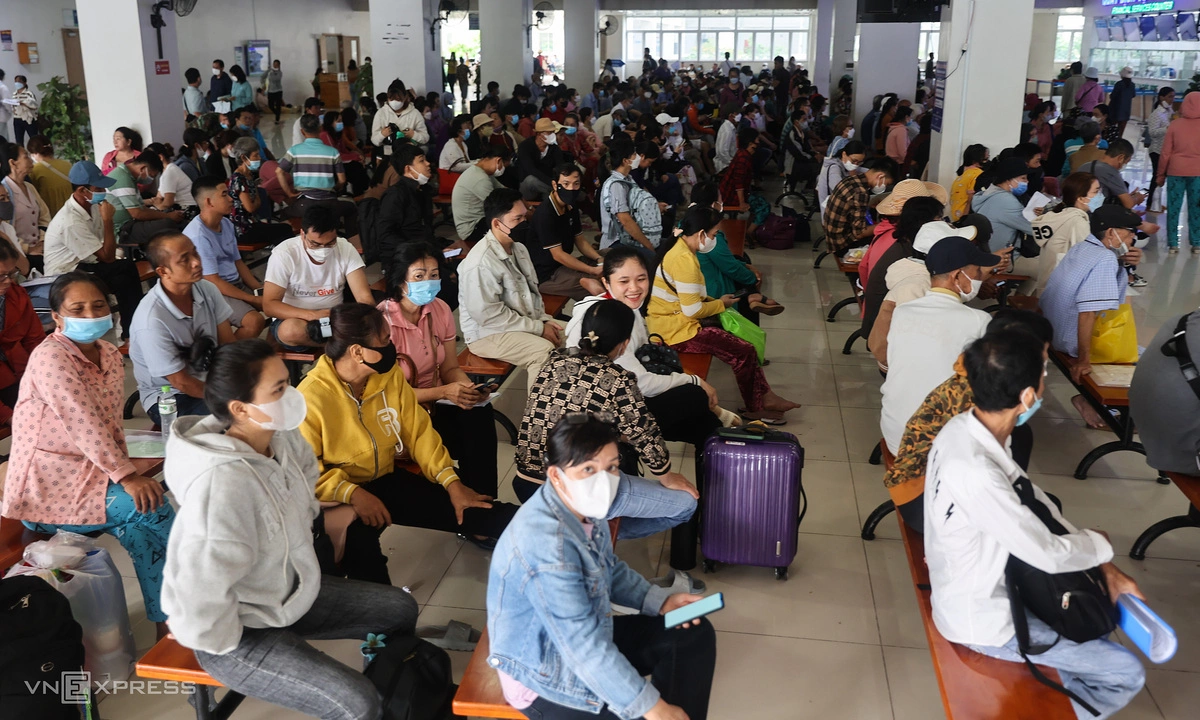
The Ho Chi Minh City Department of Health has initiated training for the leadership of basic-level hospitals. This training is a preparatory step for the city's transition to a multi-tiered, multi-polar, and multi-centric healthcare system. The initiative aims to establish a robust network of foundational healthcare facilities across the city. By equipping hospital leaders with new management skills and strategic insights, the department seeks to ensure a smooth and effective implementation of the new healthcare model. This reform is expected to improve the accessibility and quality of healthcare services for the city's residents. The multi-tiered structure will likely define different levels of care and specialization, while the multi-polar and multi-centric approach suggests a decentralization of services and decision-making. The ultimate goal is to create a more resilient and responsive healthcare infrastructure capable of meeting the diverse needs of the population.
This strategic shift by Ho Chi Minh City's Department of Health toward a multi-tiered healthcare system signifies a move to optimize resource allocation and service delivery. By focusing on strengthening basic-level hospitals and training their leadership, the city is addressing potential bottlenecks in primary care access. This approach could foster greater efficiency and responsiveness, aligning with global trends in healthcare system design that emphasize decentralized management and specialized care pathways. The long-term success will depend on equitable distribution of resources, effective inter-hospital coordination, and continuous adaptation to evolving public health needs in the coming decade.
AI-generated to prompt reflection — not editorial opinion, not advice, not a statement of fact. How this works.