Hokuriku Shinkansen to Osaka: Over 25 Years to Completion Amidst Lingering Challenges
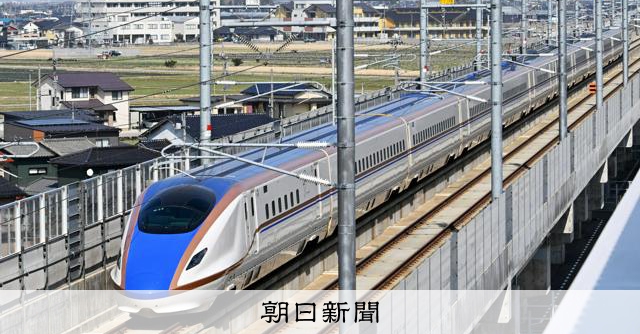
The Hokuriku Shinkansen extension to Shin-Osaka is projected to take over 25 years to complete, even after the route has been decided. This significant delay highlights the numerous challenges that remain before the line can become operational. The project's timeline underscores the complexities involved in extending high-speed rail infrastructure across Japan.
Despite the route finalization, several critical issues persist, contributing to the extended construction period. These obstacles require substantial time and resources to overcome, impacting the overall progress of the Hokuriku Shinkansen extension. The prolonged duration raises questions about the planning and execution phases of such large-scale transportation projects.
The extended timeline for the Hokuriku Shinkansen extension to Shin-Osaka, exceeding 25 years post-route confirmation, suggests potential systemic inefficiencies in large-scale infrastructure project management. Factors such as land acquisition, environmental impact assessments, and securing necessary funding often present protracted challenges in Japan's dense geography. This protracted development cycle, while potentially ensuring thoroughness, may also reflect underlying governance or regulatory hurdles that could be optimized. Future infrastructure planning might benefit from exploring more agile construction methodologies or advanced planning techniques to mitigate such significant delays, ensuring public investment yields benefits within more predictable timeframes in the evolving landscape of transportation and connectivity.
AI-generated to prompt reflection — not editorial opinion, not advice, not a statement of fact. How this works.