Holambra Water Treatment Facility Upgrades with On-Site Chemical Production
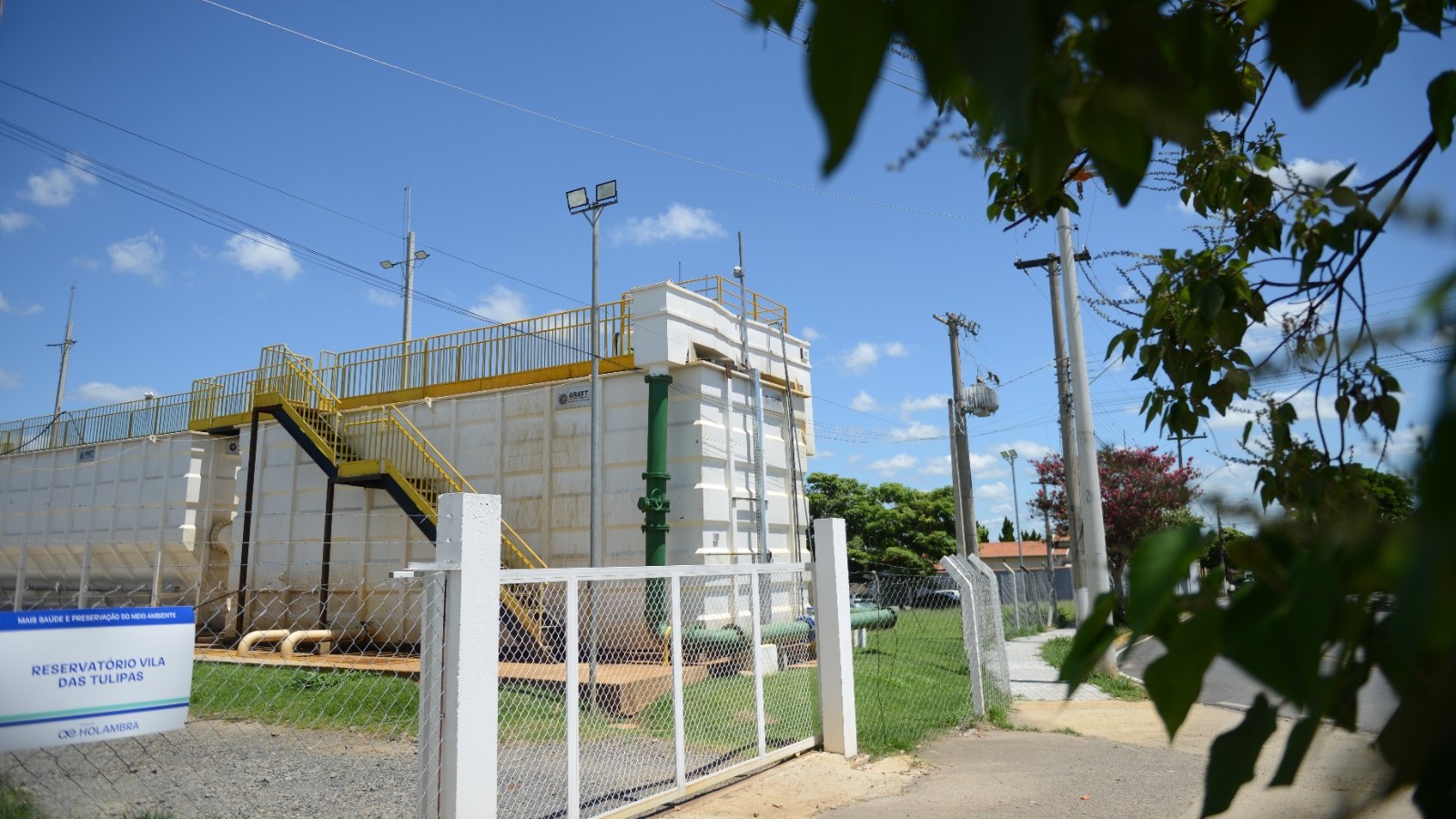
Águas de Holambra, the local water concessionaire, has invested in a new automated system at its Tulipas Water Treatment Station (ETA) to produce chlorine and fluorine on-site. This upgrade ensures the quality of over 3 billion liters of water distributed annually. The system utilizes high-purity sodium chloride as a raw material to generate chlorine directly at the facility, which is crucial for water disinfection. Fluorine is also produced, contributing to the prevention of tooth decay. This technological advancement allows for greater autonomy in the production of essential chemicals, offering more precise dosing, enhanced operational control, safety, and efficiency. The automated system adjusts its output based on operational needs, complementing existing safe practices of using externally sourced chemicals. The production capacity is designed to match the daily water treatment volume in Holambra. To maintain supply quality, laboratory analyses are conducted every two hours directly from the reservoir outlet, totaling over 22,000 analyses annually. This investment underscores Águas de Holambra's commitment to providing continuous water supply at the highest quality standards, promoting public health, quality of life, and environmental sustainability in the municipality.
The implementation of on-site chlorine and fluorine production by Águas de Holambra represents a strategic move towards operational self-sufficiency and enhanced process control in municipal water treatment. By internalizing the generation of key treatment chemicals, the concessionaire mitigates supply chain risks and potentially stabilizes costs associated with external procurement. This technological adoption aligns with broader trends in infrastructure modernization, emphasizing automation and precision to meet rigorous quality standards. The system's autonomous operation and precise dosing capabilities suggest a forward-looking approach to resource management, aiming to optimize efficiency and safety. From a long-term perspective, such investments in localized production and advanced monitoring can contribute to greater resilience in public utility services, particularly as climate change and global supply chain volatility present increasing challenges.
AI-generated to prompt reflection — not editorial opinion, not advice, not a statement of fact. How this works.