Home Affairs Ministry to Scrutinize Regional Budgets Over PPPK Salary Shortfalls
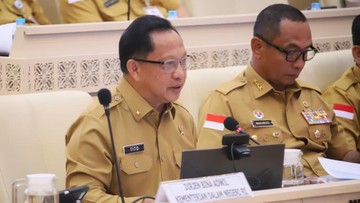
The Indonesian Ministry of Home Affairs, led by Minister Tito Karnavian, has announced it will thoroughly examine regional budgets (APBD) that claim inability to pay the salaries of civil servant candidates (PPPK). This move comes as a response to concerns over potential financial mismanagement or structural issues within regional administrations. Minister Karnavian emphasized the importance of fiscal responsibility and efficient resource allocation within these budgets. He is urging regional governments to prioritize the payment of PPPK salaries, as these are contractual obligations. To address the reported shortfalls, the ministry is advocating for two key strategies: enhancing internal revenue generation (PAD) and implementing stricter efficiency measures in spending. The goal is to ensure that regional administrations have the necessary funds to meet their payroll commitments without compromising other essential public services. This initiative aims to improve financial governance at the local level and guarantee the rights of newly appointed civil servants.
This situation highlights a recurring challenge in public administration where budget allocations may not align with personnel commitments, particularly for newly established or expanded roles like PPPK. The Ministry's intervention suggests a need for improved fiscal planning and oversight at the regional level. The proposed solutions, focusing on increasing local revenue and enhancing efficiency, address both the income and expenditure sides of the budget. Looking ahead, this scenario underscores the importance of robust financial forecasting models that accurately anticipate long-term personnel costs, especially in the context of evolving public sector employment structures. Ensuring timely and adequate funding for public servants is crucial for maintaining morale and operational continuity within government services.
AI-generated to prompt reflection — not editorial opinion, not advice, not a statement of fact. How this works.