Home Healthcare: When to Call a Doctor vs. Go to the ER This Winter
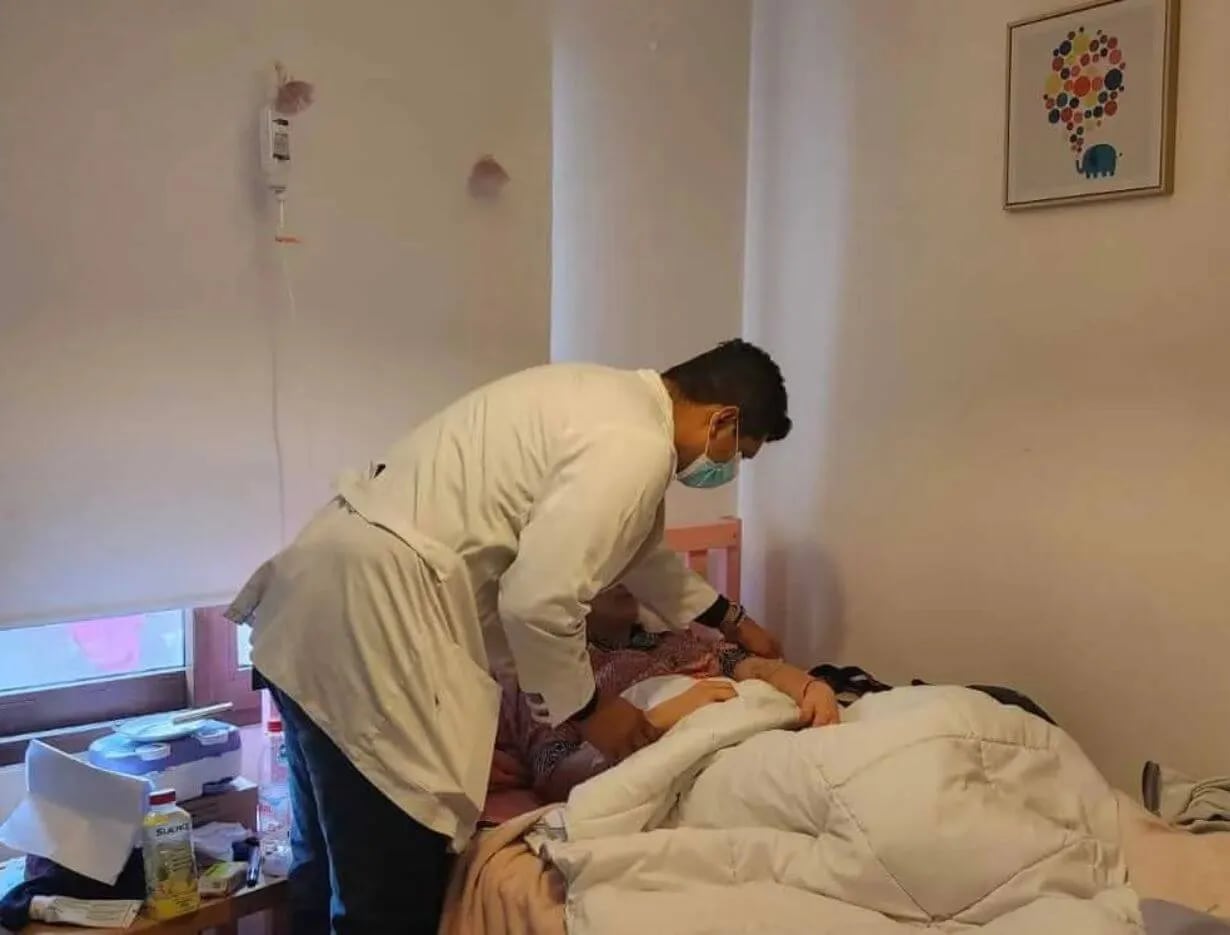
As winter intensifies respiratory illnesses like coughs, fevers, and breathing difficulties, families often rush to emergency rooms. However, not all respiratory conditions necessitate immediate hospital care. Home healthcare offers a viable alternative for professional evaluation without leaving home, particularly for patients with mobility issues or those in high-risk groups. The Ministry of Health emphasizes recognizing mild versus severe symptoms and utilizing healthcare resources appropriately, especially for young children, the elderly, pregnant individuals, and those with chronic conditions who face higher complication risks.
While minor symptoms like a mild cough or sore throat may resolve with rest and hydration, persistent or worsening symptoms, high fever, significant fatigue, or breathing trouble warrant medical attention. Differentiating between waiting, consulting, or going directly to the ER depends on the patient's age, medical history, symptom severity, and progression. Healthy adults might manage some symptoms initially with basic care, but for the elderly, young children, or those with conditions like asthma, COPD, heart disease, diabetes, or immune deficiencies, a shorter waiting period is advisable.
Home medical care is beneficial for clinical evaluations without life-threatening emergencies, such as persistent fever, severe cough, general malaise, suspected respiratory infections, or mild respiratory distress. It's also practical for elderly individuals with mobility challenges, children with fever and fatigue, bedridden patients, or those recovering from surgery who wish to avoid crowded waiting rooms. This approach allows for assessment in the patient's familiar environment, identification of warning signs, and appropriate next steps, which may include home care, treatment, tests, or referral if necessary. However, severe symptoms like difficulty breathing, bluish lips or fingers, chest pain, confusion, seizures, significant dehydration, or rapid deterioration require immediate emergency room visits. For young children, rapid breathing, chest retractions, persistent feeding refusal, unusual drowsiness, or intense irritability are critical signs. In older adults, symptoms can be subtler, including disorientation or extreme fatigue, necessitating urgent hospital care for potential oxygen, immediate tests, or complex treatments.
The article addresses the critical decision-making process for seeking medical care during peak winter respiratory illness seasons, highlighting the strain on emergency services. By differentiating between conditions manageable at home and those requiring emergency intervention, it promotes efficient resource allocation within the healthcare system. This approach is particularly relevant in the context of an aging global population and the increasing prevalence of chronic diseases, where timely and appropriate care can prevent complications and reduce healthcare costs. The emphasis on home healthcare as a complementary service underscores a broader trend towards personalized, accessible medical solutions, potentially leveraging telehealth and remote monitoring technologies to enhance patient outcomes and alleviate pressure on traditional healthcare infrastructure over the next decade.
AI-generated to prompt reflection — not editorial opinion, not advice, not a statement of fact. How this works.