Home Minister Faces Opposition Questions on Ganesh Nepali Death, Responds with Counter-Questions
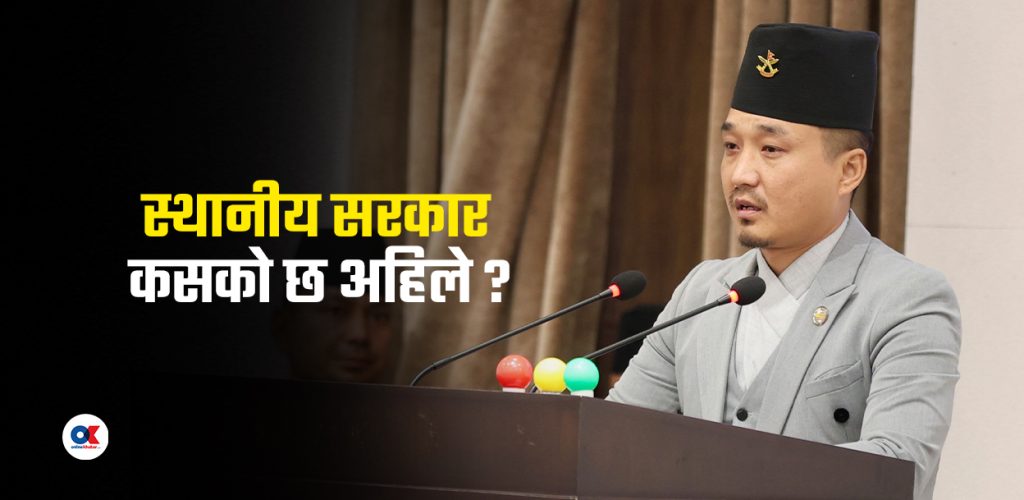
Opposition lawmakers in the House of Representatives raised numerous questions regarding the death of Ganesh Nepali. Instead of directly answering these queries, Home Minister Sudhan Gurung posed counter-questions to the opposition members. The parliamentary session saw a heated exchange as the opposition sought clarification on the circumstances surrounding Nepali's death. The Home Minister's response shifted the focus, prompting further debate on the nature of parliamentary questioning and accountability. The specifics of the questions raised by the opposition and the exact counter-questions posed by the Home Minister were not detailed in the report. This exchange highlights a dynamic where direct answers are met with deflection or a challenge to the questioner's premise.
The parliamentary exchange regarding Ganesh Nepali's death illustrates a common dynamic where direct accountability is met with a strategic deflection. By posing counter-questions, the Home Minister may be attempting to shift the burden of proof or highlight perceived inconsistencies in the opposition's stance. This tactic, while potentially effective in the short term for managing immediate scrutiny, could undermine long-term institutional trust if it consistently sidesteps substantive inquiry. Future parliamentary practices will likely grapple with balancing the need for robust questioning with the potential for such strategic maneuvers to obscure critical issues, especially as public demand for transparency intensifies in the digital age.
AI-generated to prompt reflection — not editorial opinion, not advice, not a statement of fact. How this works.