Home Minister Gurung Engages in Dialogue as Tarai Tensions Subside
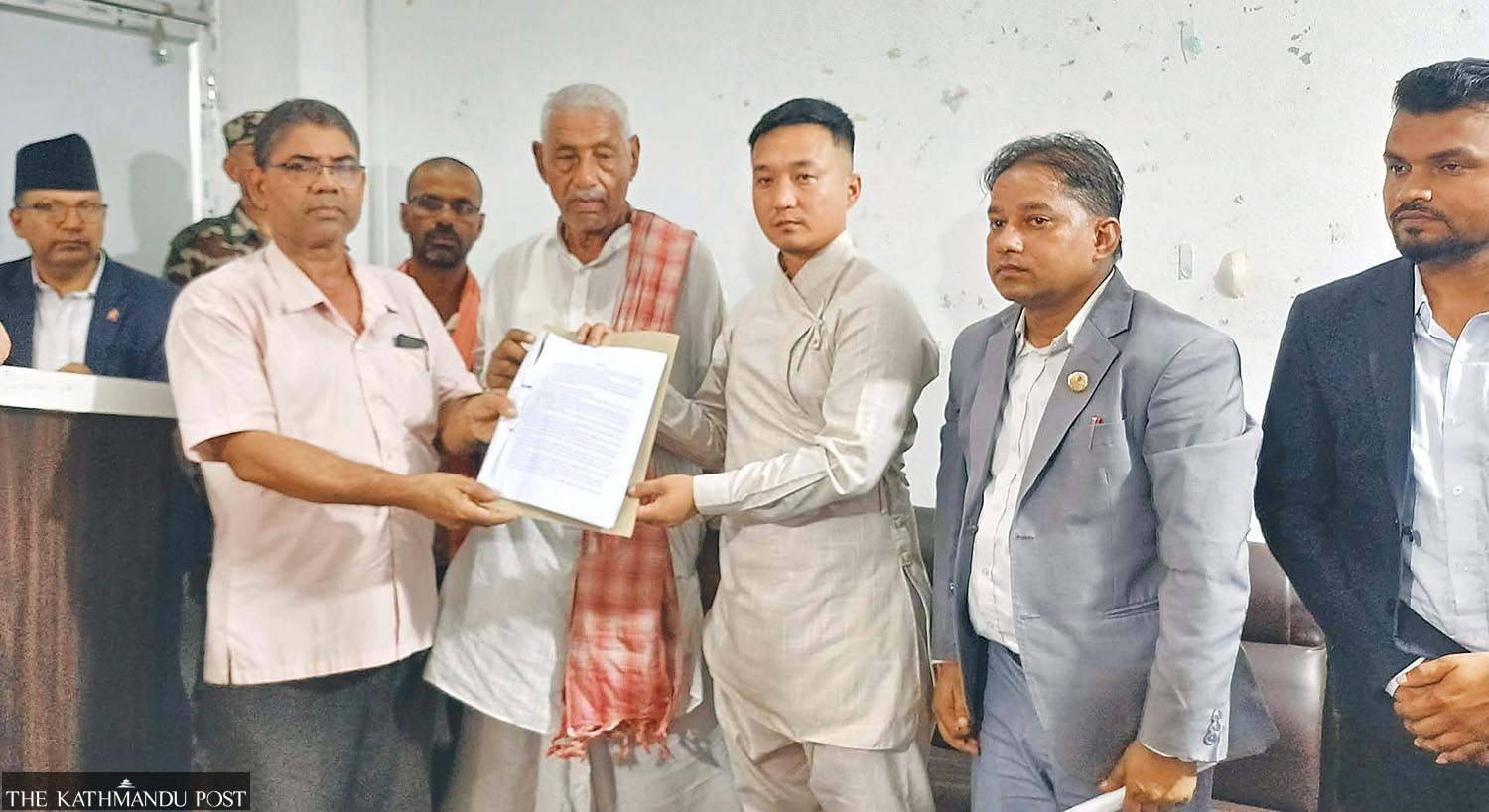
Home Minister Gurung has remained in the Tarai region as tensions in the area begin to ease. This presence signifies a strategic shift in approach, moving away from traditional measures like curfews and increased security deployments. Instead, the focus has transitioned towards direct engagement and negotiation. The minister is actively meeting with victims' families and local community groups. This direct intervention aims to de-escalate the situation through dialogue and understanding. The move suggests a commitment to addressing the root causes of the unrest by involving affected parties in the resolution process. The government's strategy appears to prioritize peaceful resolution and community reconciliation over forceful measures.
The Home Minister's extended stay and shift to negotiation in the Tarai indicate a strategic pivot from reactive security measures to proactive conflict resolution. This approach acknowledges the limitations of purely enforcement-based strategies in addressing complex socio-political grievances. By engaging directly with victims' families and local groups, the government signals an intent to build trust and foster reconciliation. This method, while potentially slower, may offer a more sustainable path to long-term stability by addressing underlying community concerns. The effectiveness of this dialogue-driven strategy will depend on the government's ability to translate discussions into tangible policy changes and equitable outcomes for affected populations, thereby mitigating future escalations.
AI-generated to prompt reflection — not editorial opinion, not advice, not a statement of fact. How this works.