Home Opera Adaptations of "The Magic Flute" in Early 19th Century Vienna
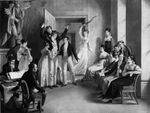
This article explores how operas, specifically "The Magic Flute," were adapted and performed in private Viennese homes during the early 19th century. These domestic opera performances offered a different experience from public stagings, catering to intimate social gatherings and personal entertainment.
The focus is on the creative processes involved in these home opera arrangements. Musicians and enthusiasts would rework existing operatic scores to suit the capabilities and resources available in a domestic setting. This often involved reducing the orchestral size, simplifying vocal parts, or even altering the dramatic structure to fit a smaller performance space and a less formal audience.
These private stagings highlight a significant aspect of musical culture in Vienna at the time, demonstrating how opera was not solely confined to grand theaters but was also a vibrant part of domestic life. The practice provided a unique avenue for both amateur and professional musicians to engage with operatic repertoire, fostering a deeper appreciation and understanding of the art form within the social elite.
The practice of home opera adaptations in early 19th century Vienna reveals a fascinating interplay between elite cultural consumption and domestic social life. This trend suggests a democratization of operatic engagement, moving beyond the exclusive domain of public opera houses to accessible private settings. Such adaptations likely fostered musical literacy and creative engagement among non-professional performers and audiences. From a systems perspective, this domestic performance model highlights the adaptability of cultural forms to evolving social structures and technological constraints, potentially foreshadowing later trends in media consumption and personalized entertainment experiences.
AI-generated to prompt reflection — not editorial opinion, not advice, not a statement of fact. How this works.