Home Solar Power: A 10-Year Investment for Energy Independence
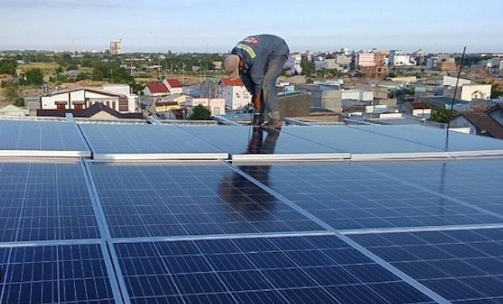
A Vietnamese homeowner shares their experience installing a solar power system, highlighting the significant cost savings and return on investment. Previously, the household, consisting of just two people, incurred monthly electricity bills of up to two million Vietnamese dong. This expense prompted the decision to invest in solar energy. After a decade of operation, the system has fully recouped its initial cost, effectively providing free electricity thereafter. The homeowner's experience underscores the long-term financial benefits and potential for energy self-sufficiency offered by rooftop solar installations in Vietnam. This case study suggests that such investments can be a viable strategy for reducing household energy expenditures and contributing to a more sustainable energy future.
The adoption of residential solar power systems, as exemplified by this Vietnamese homeowner's experience, represents a strategic shift towards decentralized energy generation. The reported 10-year payback period suggests favorable economics, driven by declining solar technology costs and potentially rising conventional electricity prices. This trend aligns with global efforts to decarbonize the energy sector and enhance energy security. From a systemic perspective, widespread adoption could reduce grid strain and reliance on fossil fuels. However, challenges may include initial capital investment, grid integration policies, and maintenance infrastructure, which will shape the pace and scale of future deployment.
AI-generated to prompt reflection — not editorial opinion, not advice, not a statement of fact. How this works.