Homebuyers Pay Millions Without Understanding Property Deeds
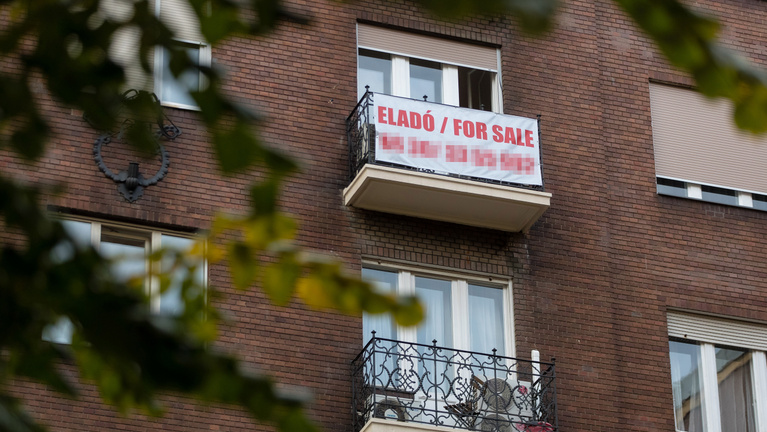
Many prospective homeowners are making substantial payments, sometimes in the millions, without fully understanding the details on their property deeds. Experts advise against making any payments to sellers before a thorough verification process. This situation highlights a critical gap in due diligence where buyers are committing significant financial resources without complete knowledge of the legal status of the property they intend to purchase. The property deed, or 'tulajdoni lap' in Hungarian, contains vital information about ownership, encumbrances, and other legal aspects that directly affect the buyer's rights and the property's value. Failing to review this document before finalizing a transaction can lead to unforeseen complications and financial losses. The advice emphasizes the importance of legal consultation and careful examination of all property documentation to ensure a secure and transparent real estate transaction. This cautionary note is particularly relevant in markets where property values are high, increasing the potential financial risk for unwary buyers.
This situation underscores a potential systemic vulnerability in real estate transactions where buyers may prioritize speed or perceived opportunity over essential legal due diligence. The incentive structure for agents or sellers might encourage quick closings, potentially at the expense of buyer protection. Future market dynamics, especially with increasing property values and the potential for digital transaction platforms, will require robust regulatory frameworks and accessible legal education for consumers. Ensuring buyers understand their rights and the implications of property deeds is crucial for market stability and preventing predatory practices. This highlights a need for clearer disclosure requirements and potentially mandated legal review periods before significant financial commitments are finalized.
AI-generated to prompt reflection — not editorial opinion, not advice, not a statement of fact. How this works.