Homebuyers Prioritize Quality of Life Over Price in Real Estate Decisions
A significant shift is occurring in the Brazilian real estate market, with homebuyers increasingly prioritizing quality of life factors over traditional metrics like price and size. This evolving preference means that mobility, access to services, convenience, and leisure options are now playing a crucial role in purchasing decisions. Research from the Brazilian Association of Real Estate Developers (Abrainc) indicates that while location (65%) and security (64%) remain important, there's a notable rise in consumers valuing surrounding infrastructure, the living experience, and well-being attributes. This transition signifies a fundamental change, transforming real estate purchases from purely financial decisions into lifestyle choices.
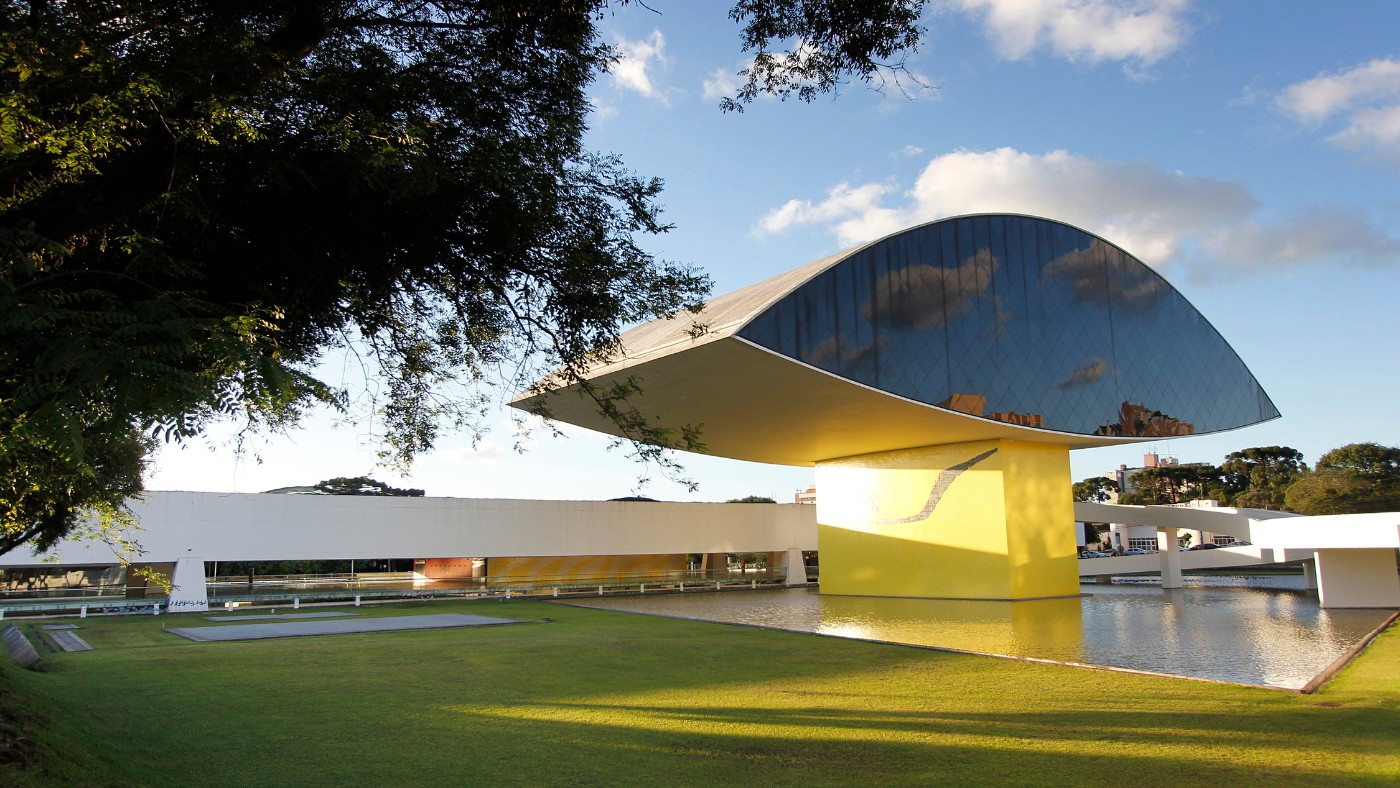
The growing emphasis on urban mobility, proximity to commerce, recreational facilities, and robust service infrastructure reflects a genuine demand for reduced commute times and convenient access to daily necessities. Cities with well-established urban planning and neighborhoods offering superior infrastructure are experiencing more sustained property value appreciation, driven by their inherent quality of life. Curitiba, for example, ranks high in quality of life among Brazilian capitals according to the Social Progress Index (IPS) 2025, attracting new residents with its green spaces, efficient mobility, and comprehensive services. This trend is evident in neighborhoods like Juvevê, Batel, Água Verde, and Alto da XV, which are gaining value due to their desirable amenities.
This change in buyer profile directly influences how real estate developers plan new projects. Beyond prime locations, developers are now focusing on integrated experiences, including quality architecture, well-designed common areas for well-being, and genuine connection with the surrounding environment. Companies like Dreamis Incorporadora are adapting by investing in regions with established infrastructure and prioritizing the purposeful design of common spaces, recognizing that genuine quality of life offerings lead to natural property appreciation. Market data, such as Secovi-SP's 7.9% growth in residential unit sales in Q1 2026, supports this trend, with growth concentrated in areas offering high quality of life. Investors are also increasingly viewing urban infrastructure and regional development potential as key indicators for long-term value.
The Brazilian real estate market's pivot towards quality of life reflects a broader global demographic and economic realignment, accelerated by evolving work patterns and increased awareness of environmental and social factors. As urban density and infrastructure strain, the perceived value of well-planned, amenity-rich environments will likely continue to rise, creating a premium for locations that offer a balanced lifestyle. This trend challenges developers to move beyond standardized construction and embrace holistic urban integration, potentially leading to more sustainable and human-centric development models. Future real estate value will increasingly be tied to a location's capacity to provide not just shelter, but a comprehensive ecosystem supporting well-being, community, and efficient living, demanding innovative approaches to urban planning and community building.
AI-generated to prompt reflection — not editorial opinion, not advice, not a statement of fact. How this works.