Homeless Man Severely Burned After Attack in Ribeirão Preto, Brazil
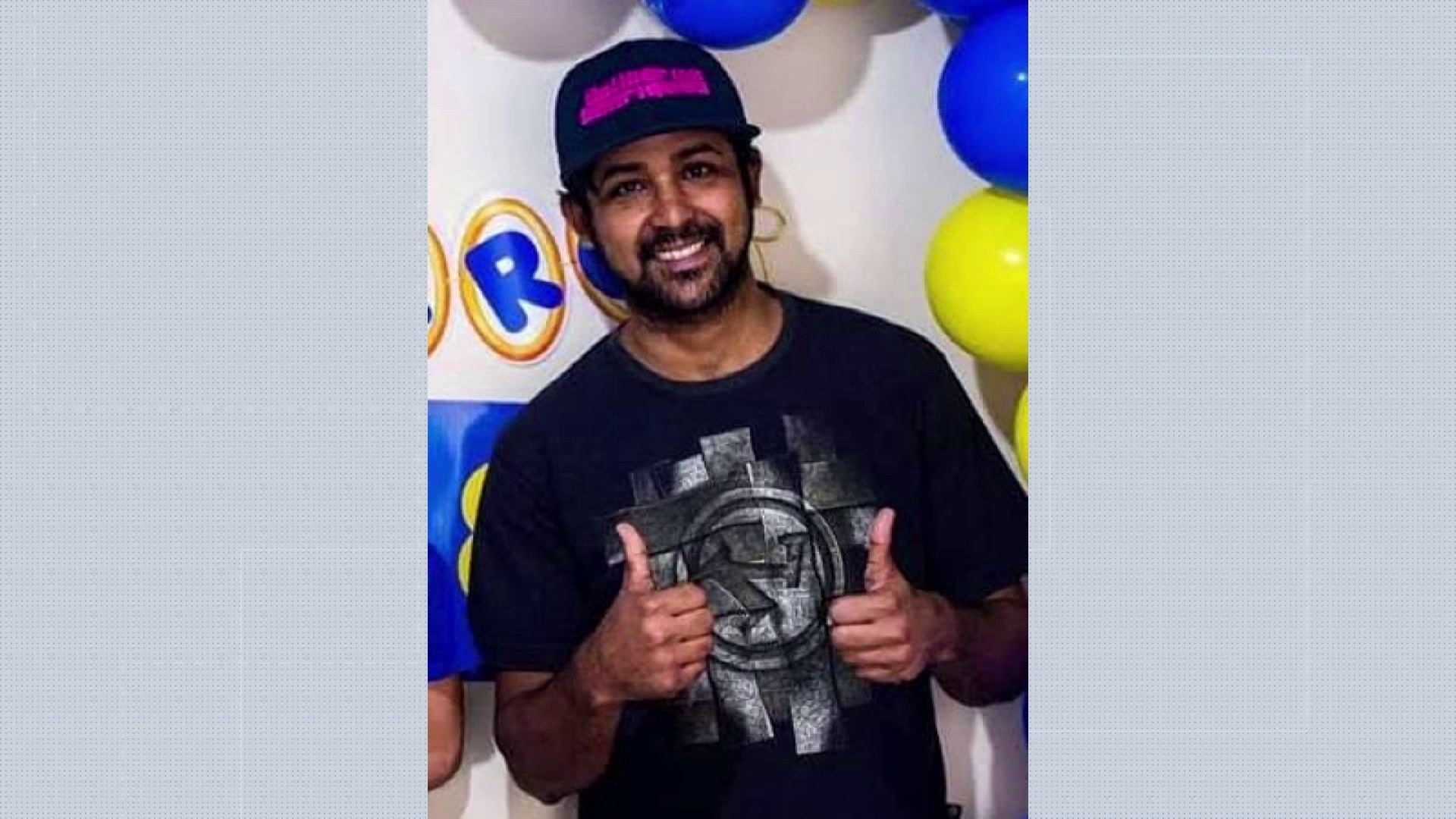
A homeless man, Cleyton Lima Nogueira, is in serious condition after being brutally attacked and having 20% of his body burned in Ribeirão Preto, São Paulo, Brazil. The incident occurred on Sunday, May 26th, when Cleyton was allegedly approached by at least four individuals in a car. They reportedly took him to a lot with a warehouse, where they beat him and set him on fire. His brother, Anderson Lima Nogueira, stated that Cleyton, who survives by collecting recyclables and has a history of substance abuse, was not known to have conflicts with anyone and was a good person. Cleyton managed to escape the attackers, remove his burning clothes, and received help from someone who called emergency services. He was admitted to the Hospital das Clínicas with second and third-degree burns covering 20% of his body and remains under medical care. This is the second reported attack on a homeless person in Ribeirão Preto within the same week; a previous incident involved a 33-year-old victim who died after being assaulted and shot. The Brazilian Bar Association's human rights commission has called for a thorough investigation to identify and punish those responsible for these violent acts. Anderson expressed his grief and bewilderment at the cruelty of the attack, emphasizing that people experiencing homelessness often have families who suffer and do not choose their circumstances.
This incident highlights the extreme vulnerability of individuals experiencing homelessness, particularly when combined with substance abuse challenges. The brutal nature of the attack, involving severe burns, raises concerns about escalating violence and potential organized hate crimes targeting this population. The OAB's involvement underscores the need for robust law enforcement and judicial responses to ensure accountability and deter future atrocities. Addressing the root causes of homelessness, including access to mental health and addiction services, alongside community safety initiatives, is crucial for preventing such tragedies. The systemic failures that leave individuals without stable housing and support networks are a critical area for long-term policy consideration.
AI-generated to prompt reflection — not editorial opinion, not advice, not a statement of fact. How this works.