Homeowners with cracks due to external work demand compensation and relocation
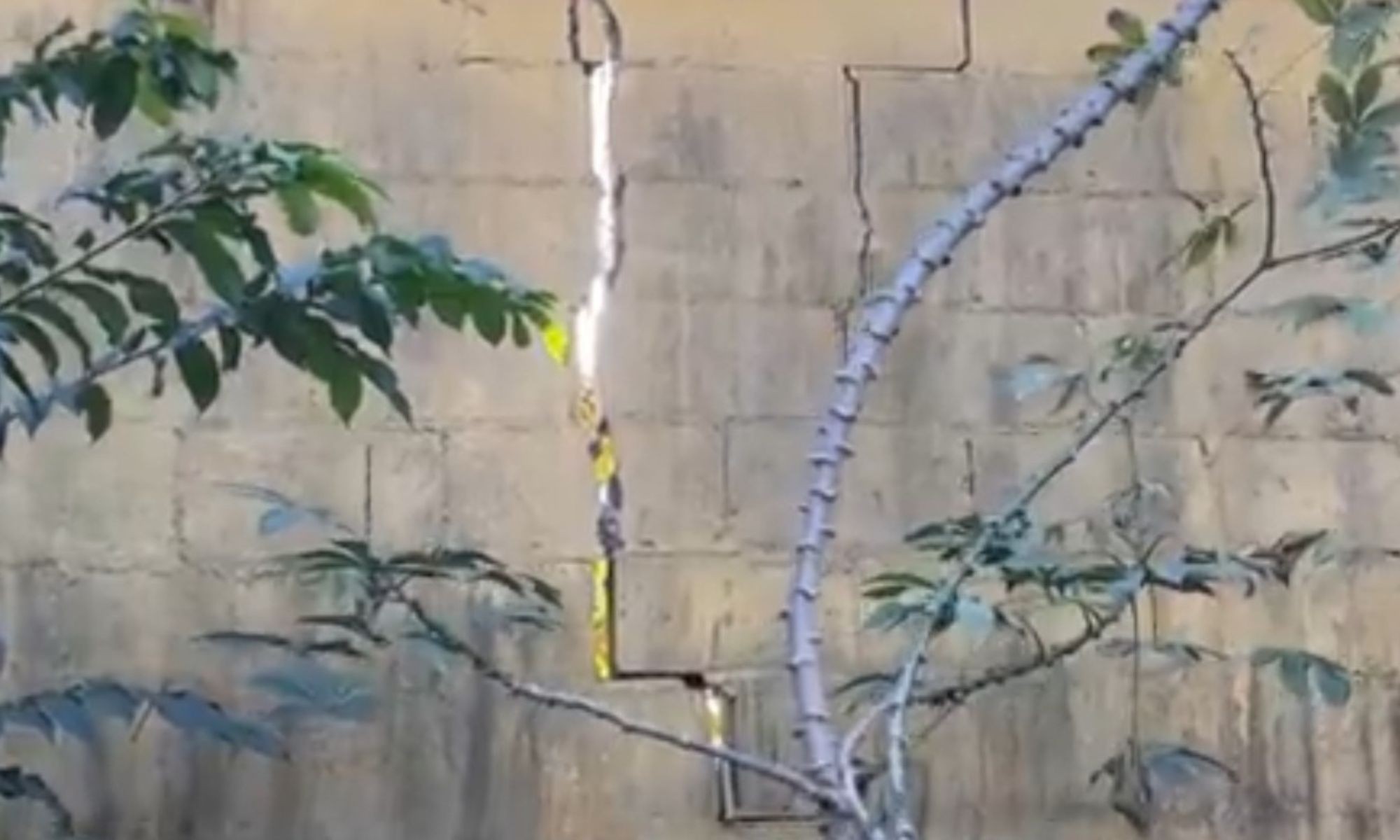
Residents whose homes have been damaged or condemned due to cracks caused by external factors like construction or leaks are entitled to full compensation. This right is highlighted by real estate law specialist Sérgio Dota, amid distress experienced by homeowners in Paulínia and Piracicaba, São Paulo state. Dota advises affected individuals to demand relocation to similar housing and to meticulously document all damages and expenses. This includes photographic and video evidence of crack progression, receipts for incurred costs, and records of communications with public authorities. Maintaining thorough documentation is crucial, especially when a property becomes uninhabitable, to support claims for repair and compensation.
In Paulínia's Flamboyant neighborhood, 13 homes were evacuated following ground movement attributed to a Sabesp water main leak; the company has pledged compensation. A similar situation is unfolding in Piracicaba's Unileste neighborhood, where at least five houses have developed cracks up to 4.5 centimeters wide after sanitation network construction. The Municipal Water and Sewerage Service (Semae) is investigating, while the Mirante concessionaire denies responsibility for the damage. Some Paulínia residents are also seeking permanent solutions for ongoing issues, such as sewage infiltration dating back to 2021, with calls for pipe replacement.
This situation underscores the critical importance of robust infrastructure management and clear accountability frameworks for construction projects impacting residential areas. When external works lead to property damage, the legal and ethical obligation for timely and comprehensive restitution falls upon the responsible parties, whether they are public utilities or private contractors. Effective governance requires proactive risk assessment during infrastructure development and transparent communication with affected communities. Future planning should incorporate advanced monitoring technologies to detect potential soil instability or structural stress early, mitigating the need for costly emergency interventions and resident displacement. Lessons learned from these incidents can inform stricter regulatory oversight and improved compensation protocols to safeguard citizens' property rights and well-being.
AI-generated to prompt reflection — not editorial opinion, not advice, not a statement of fact. How this works.