Homer's Iliad Fragment Found Within 1,600-Year-Old Egyptian Mummy
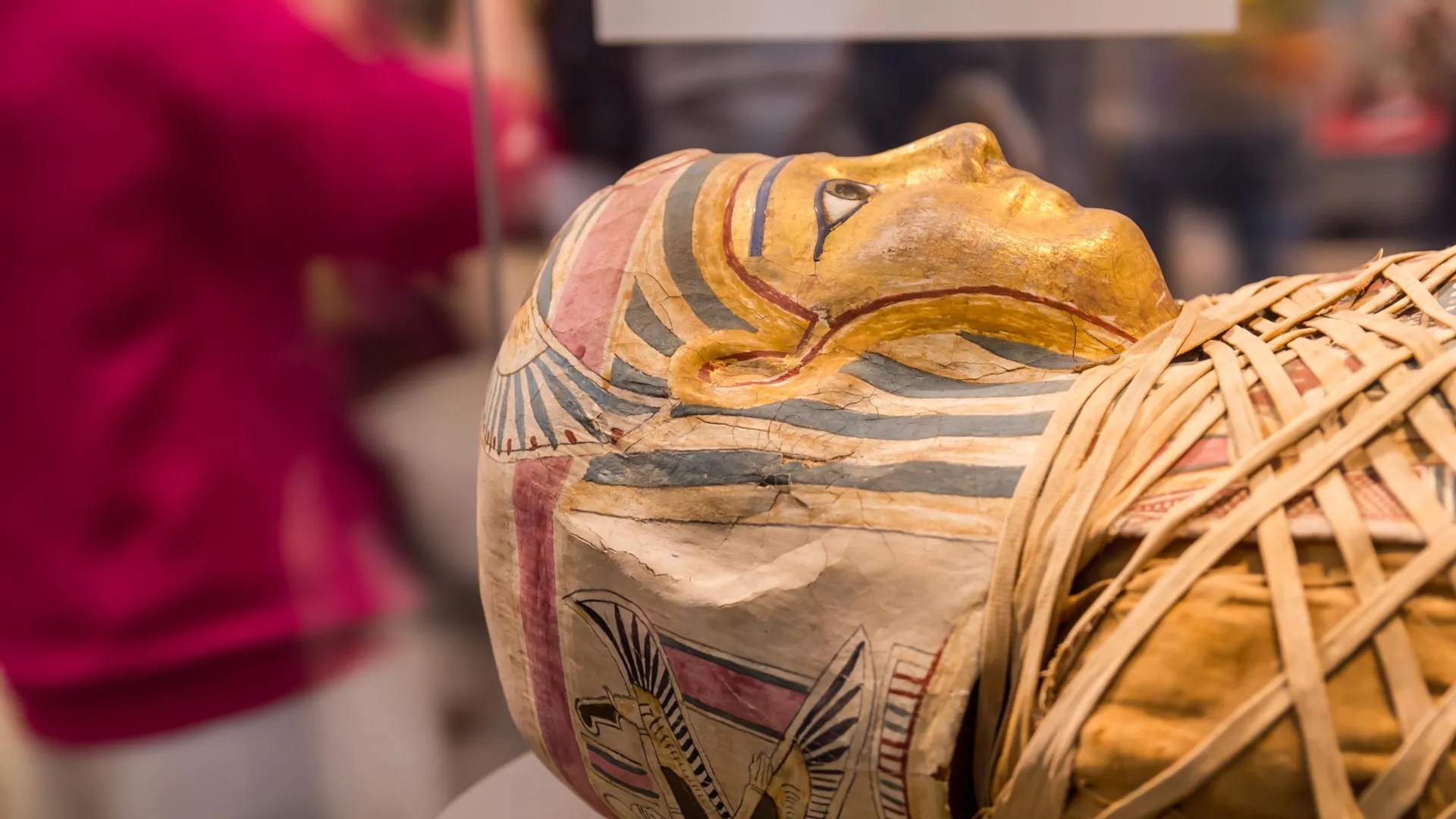
Archaeologists have made a remarkable discovery within a 1,600-year-old mummy unearthed in Egypt: a fragment of Homer's Iliad. The papyrus, identified as part of the renowned "Catalogue of Ships" section of the epic poem, was found to have been intentionally incorporated into the embalming process. This marks the first archaeological evidence of a Greek literary text being used in ancient Egyptian mummification rituals. The find offers a unique glimpse into the intersection of literature and burial practices in antiquity. Researchers believe this discovery significantly enriches our understanding of both classical literature and the complex customs surrounding death and remembrance in ancient Egypt. It suggests a potential cultural exchange or a deeply symbolic integration of revered texts into the afterlife preparations.
The discovery of an ancient Greek literary text within an Egyptian mummy highlights the complex cultural interactions and symbolic practices of the past. This finding prompts reflection on how societies imbue objects with meaning, particularly in funerary contexts, potentially bridging the gap between the earthly and the divine, or the mortal and the eternal. Examining the motivations behind incorporating such texts into mummification could reveal evolving beliefs about legacy, knowledge preservation, and the desired afterlife journey. In the context of the AI era, where information is digitized and disseminated, this ancient practice underscores a fundamental human drive to connect with enduring narratives and cultural heritage, even in the face of mortality.
AI-generated to prompt reflection — not editorial opinion, not advice, not a statement of fact. How this works.