Honduran referee's late penalty sends Belgium to 2026 World Cup, sparks controversy
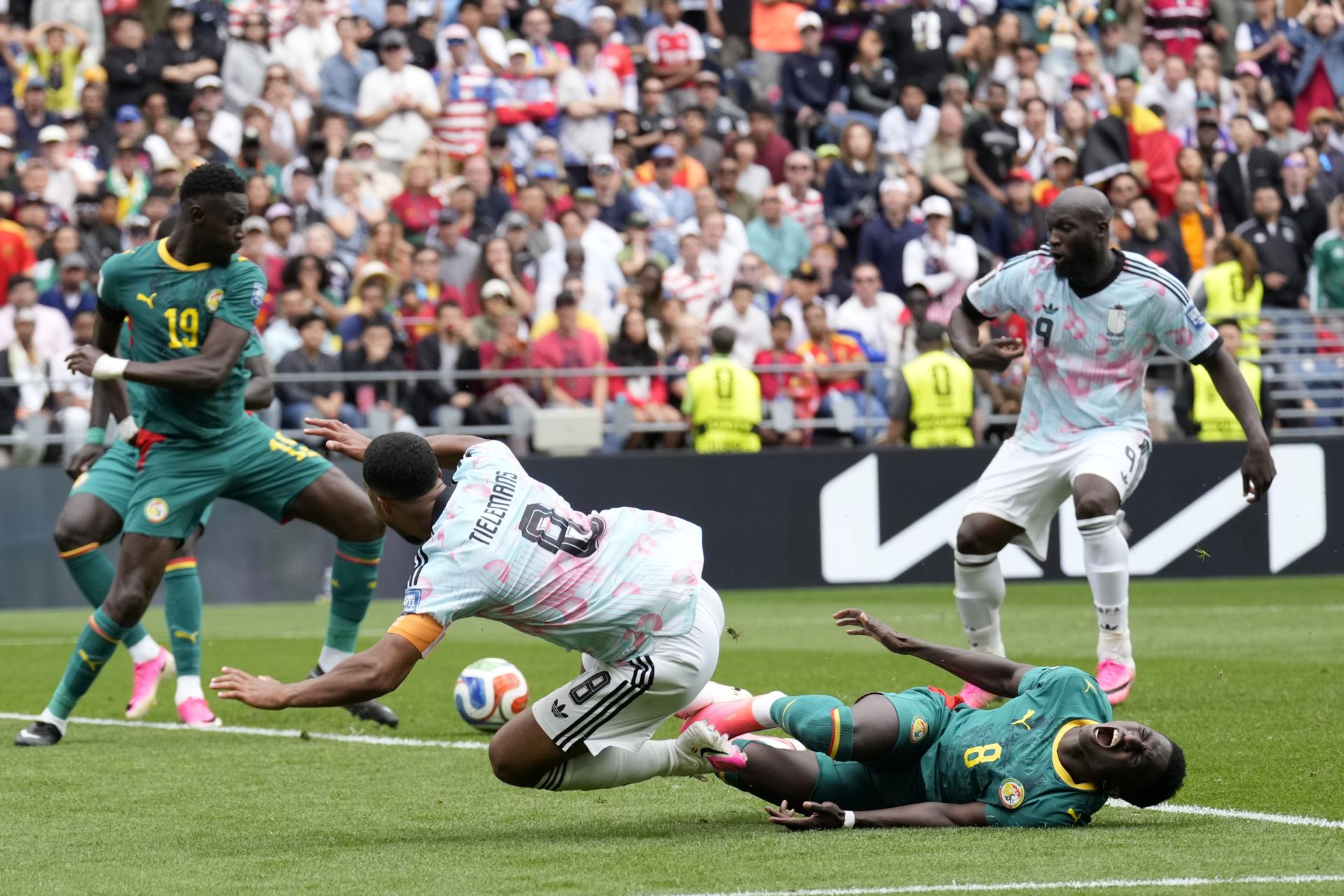
Honduran referee Saíd Martínez awarded a penalty kick in the 120th minute plus 5 seconds of stoppage time, which secured a 3-2 victory for Belgium over Senegal. This decisive call, made after a Video Assistant Referee (VAR) review, has ignited a debate regarding the officiating that ultimately determined the outcome of this 2026 World Cup qualifier. The late-game penalty proved to be the deciding factor in the tightly contested match. The controversy highlights the significant impact refereeing decisions, especially those involving VAR, can have on crucial international sporting events. The result means Belgium advances in the World Cup qualification process, while Senegal's campaign is effectively ended by this late drama. The debate centers on the interpretation of the foul that led to the penalty and its justification in such a high-stakes moment. This incident underscores the intense scrutiny and pressure faced by referees in major tournaments.
The late-game penalty decision, confirmed by VAR, highlights the inherent subjectivity within football's rulebook and its application under extreme pressure. While VAR aims to enhance accuracy, its interpretation can still lead to contentious outcomes, particularly in moments that decide qualification for major tournaments like the 2026 World Cup. This event prompts reflection on the consistency and transparency of officiating standards globally. Future iterations of the sport's rules and technology may need to address how such critical decisions are made and perceived to maintain confidence in the integrity of the competition.
AI-generated to prompt reflection — not editorial opinion, not advice, not a statement of fact. How this works.