Hong Kong Advocates Urge Legal Reform for Long-Term Child Sexual Abuse Cases
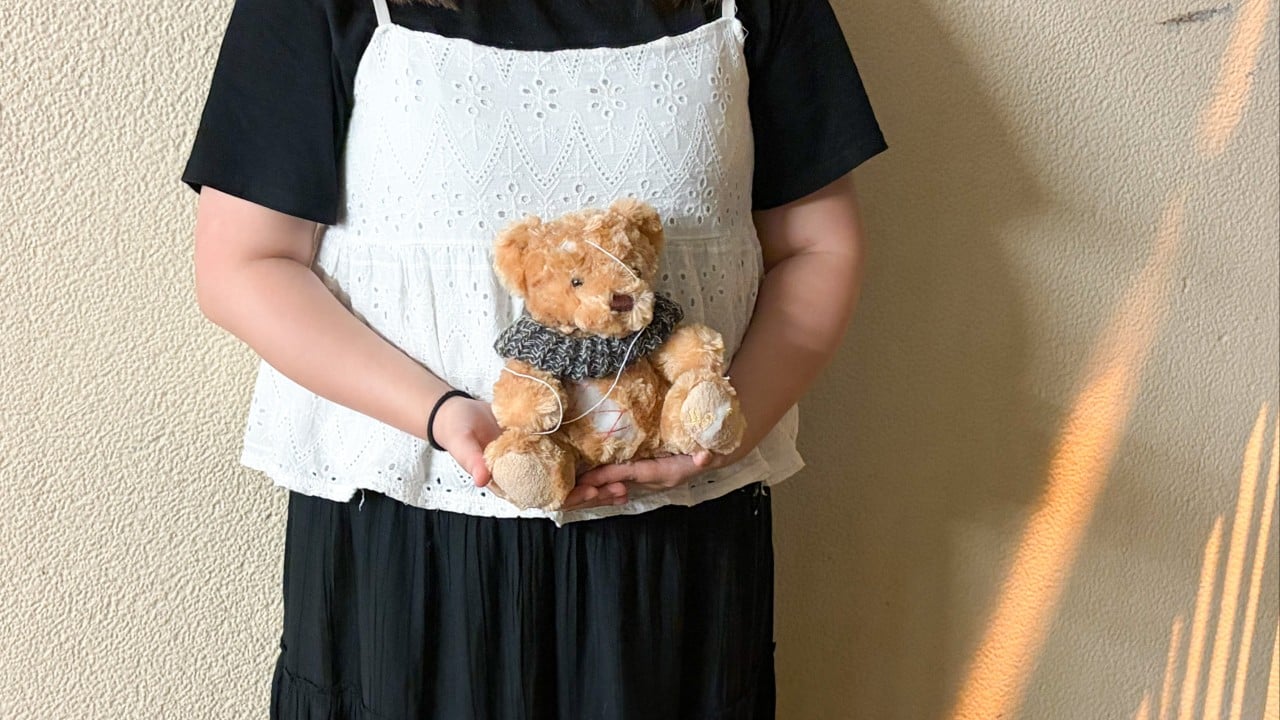
Advocates in Hong Kong are calling for significant legal reforms to better address cases of long-term child sexual abuse, as current legal frameworks are seen as inadequate. The issue highlights the profound and lasting trauma experienced by survivors, many of whom endured abuse over extended periods within their own homes. One survivor, identified as Bobo, recounted living in constant fear throughout her primary and secondary school years, forced to find new hiding places within her flat to evade her abuser, a family member. Another survivor, Mui, described nights and school holidays as particularly terrifying periods, often waking up startled. These testimonies underscore the pervasive nature of such abuse and the critical need for legal and societal support systems that can provide justice and healing for victims who have suffered for years. The current legal approach is criticized for potentially 'cherry-picking' crimes, focusing on isolated incidents rather than the sustained pattern of abuse that characterizes many long-term cases. This deficiency in the legal system leaves many survivors feeling unsupported and unheard, prompting urgent calls for legislative changes that acknowledge the full scope of their experiences.
The current legal framework in Hong Kong appears to struggle with prosecuting sustained patterns of child sexual abuse, potentially focusing on individual incidents rather than the cumulative harm. This approach may inadvertently incentivize abusers by creating loopholes and leaving survivors with incomplete justice. Future legal reforms should consider mechanisms that allow for the prosecution of long-term abuse as a continuous offense, reflecting the reality of survivors' experiences. This would align with evolving understandings of trauma and victim support, ensuring that the legal system provides comprehensive protection and accountability in the digital age, where such abuse can be facilitated and prolonged through various means. Addressing this systemic gap is crucial for safeguarding vulnerable children and upholding fundamental rights.
AI-generated to prompt reflection — not editorial opinion, not advice, not a statement of fact. How this works.