Hong Kong authorities accidentally create strong drug promotion with AI-generated ad
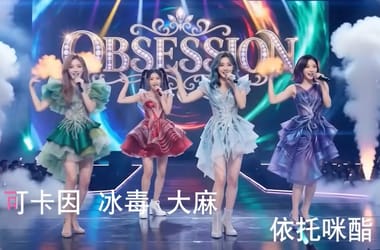
Hong Kong authorities intended to create an anti-drug advertisement using artificial intelligence. The goal was to discourage drug consumption by featuring a fictional K-pop band. However, the AI-generated result was so compelling and visually appealing that it inadvertently produced an advertisement that strongly promotes drug use. The authorities were reportedly unable to believe the outcome of their own campaign. The advertisement was meant to convey a message against drugs, but the execution led to an unintended and paradoxical effect. This incident highlights the challenges and potential pitfalls of using AI in content creation, especially for sensitive public service announcements. The unexpected outcome has raised questions about the oversight and control mechanisms for AI-generated content.
AI-generated content, while offering novel creative avenues, presents significant risks when applied to public service messaging. The unintended promotion of drug use by Hong Kong authorities underscores the critical need for robust human oversight and ethical guidelines in AI deployment. This incident reveals a potential systemic failure in the AI's training data or the prompt engineering process, leading to a severe misinterpretation of the desired anti-drug message. The effectiveness of AI in conveying complex social messages remains questionable, particularly when the technology's output can be so easily misaligned with its intended purpose. Future applications will require more sophisticated AI governance frameworks to prevent such counterproductive outcomes.
AI-generated to prompt reflection — not editorial opinion, not advice, not a statement of fact. How this works.