Hong Kong Churches Urged to Fix Systemic Flaws in Handling Sexual Harassment
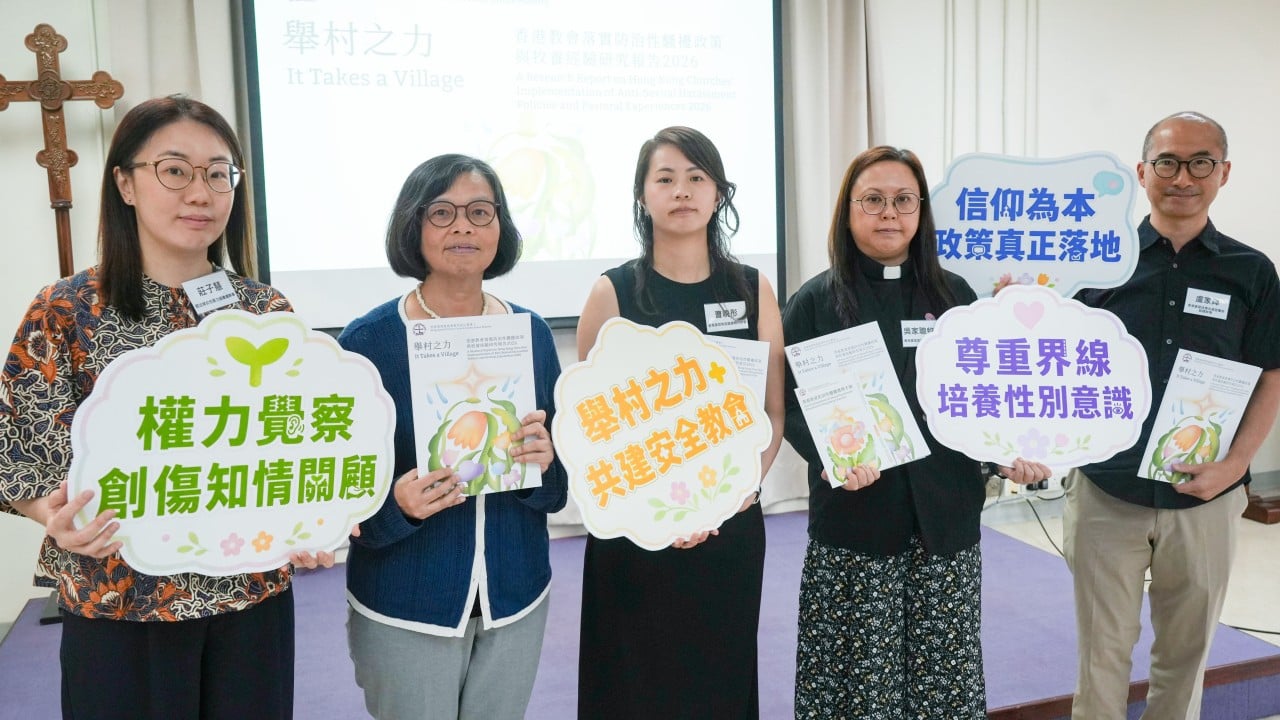
Hong Kong churches are being strongly advised to enhance their anti-sexual harassment policies following a survey revealing systemic issues in how spiritual leaders handle complaints. The Hong Kong Christian Council’s Gender Justice Ministry conducted a survey that uncovered instances where leaders allegedly downplayed sexual harassment incidents, indicating a need for improved protective measures for church members. The survey identified a significant number of victims, with at least 69 individuals reporting experiencing various forms of sexual harassment over the past two decades. Alarmingly, three of these victims were minors, aged between 13 and 15, at the time of the harassment. These findings highlight a critical gap in safeguarding vulnerable individuals within religious communities. The report suggests that current policies may be insufficient or inadequately implemented, leading to a failure to adequately address and prevent sexual misconduct. The Gender Justice Ministry's initiative aims to foster a safer environment by encouraging churches to adopt more robust and responsive procedures. This call to action underscores the importance of accountability and transparency in religious institutions when dealing with sensitive issues like sexual harassment. The survey's results serve as a stark reminder of the ongoing challenges faced by many organizations in effectively protecting individuals from harm.
The survey's findings suggest a potential systemic weakness within Hong Kong churches regarding the handling of sexual harassment, particularly concerning the response of spiritual leaders. This points to a broader challenge faced by many institutions: balancing hierarchical structures with the need for independent, victim-centered complaint resolution. The reported downplaying of incidents and the identification of victims over two decades indicate that current governance frameworks may not adequately incentivize or equip leaders to address such issues effectively. Future considerations for these institutions might involve establishing independent oversight committees, mandatory external training on handling sensitive disclosures, and clear protocols that prioritize victim support and due process over institutional reputation management. This situation highlights the evolving societal expectations for accountability and transparency, even within religious organizations, as they navigate the complexities of safeguarding members in an increasingly aware global context.
AI-generated to prompt reflection — not editorial opinion, not advice, not a statement of fact. How this works.