Hong Kong Considers Tunnel Toll Adjustments Amid Surging Traffic
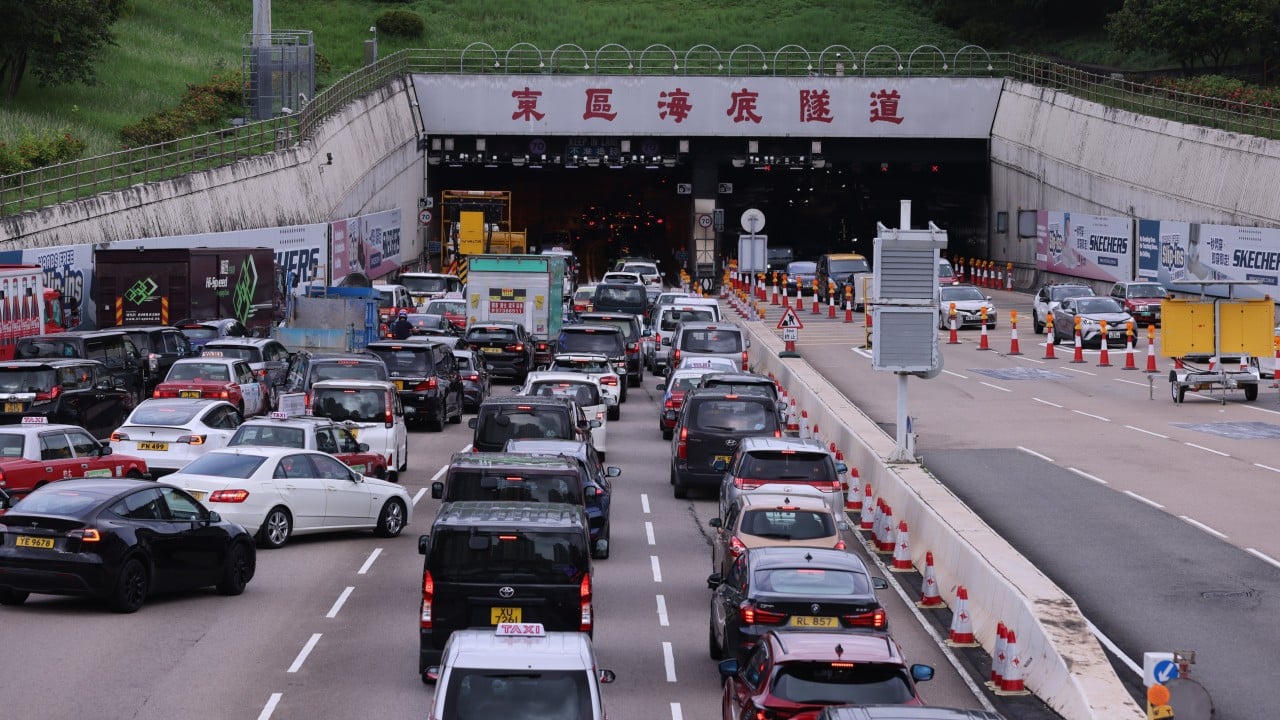
Hong Kong's transport authorities are considering adjustments to tunnel tolls, just 2.5 years after the implementation of time-varying charges. Traffic volumes across the city's three cross-harbour tunnels have now surpassed pre-reform peak levels. The Transport Department has indicated that tolls will likely need to remain flexible moving forward.
This potential adjustment comes as queues during certain peak periods continue to extend onto connecting roads and non-tunnel lanes. The department's paper, submitted to the Legislative Council, highlights the ongoing congestion issues. The flexibility in toll pricing is intended to manage traffic flow more effectively and mitigate the persistent bottleneck problems at these critical infrastructure points.
The potential adjustment of Hong Kong's cross-harbour tunnel tolls reflects a common challenge in urban infrastructure management: balancing demand with capacity. The introduction of time-varying charges aimed to smooth traffic flow, but the subsequent surge indicates that pricing alone may not be sufficient to manage demand, or that the current pricing structure is not optimally calibrated. Future policy decisions will need to consider the elasticity of demand for tunnel usage and the potential for induced demand, where improved traffic conditions might attract more vehicles. Exploring complementary strategies, such as enhancing public transportation alternatives or implementing advanced traffic management systems, could offer a more comprehensive solution to long-term congestion, aligning with the evolving needs of a connected and efficient metropolitan area.
AI-generated to prompt reflection — not editorial opinion, not advice, not a statement of fact. How this works.