Hong Kong Construction Workers Consider Quitting Smoking Amid New Site Ban
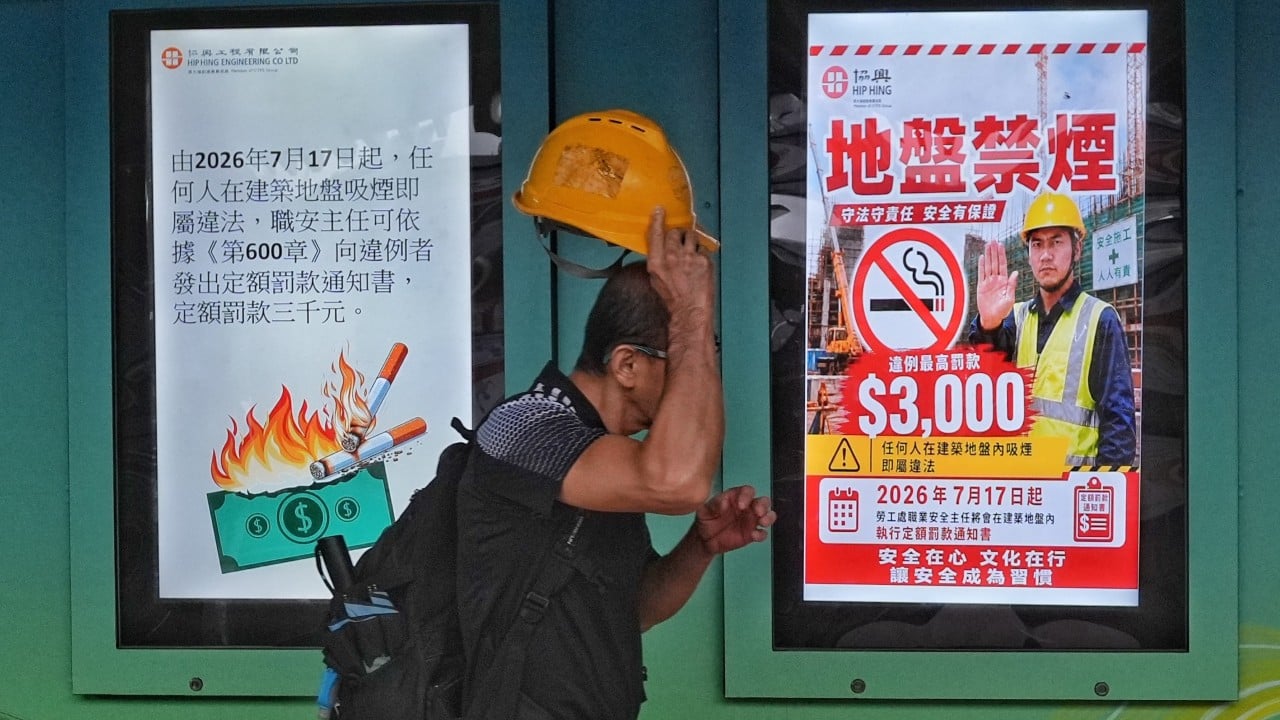
A new regulation prohibiting smoking at construction sites in Hong Kong took effect on Friday. This measure was implemented following a devastating fire at the Wang Fuk Court housing estate in Tai Po last November, which resulted in 168 fatalities. The fire was suspected to have been ignited by workers smoking during renovation activities. In response to this tragedy, the government introduced legal amendments to enhance safety protocols. Individuals found smoking on construction sites will now be subject to a fixed penalty of HK$3,000, equivalent to approximately US$380. Some construction workers have indicated their intention to quit smoking as a direct result of this new legislation. The ban aims to prevent future accidents and improve overall safety standards within the construction industry.
The implementation of a smoking ban on Hong Kong construction sites, prompted by a fatal fire, represents a regulatory response to mitigate risks associated with occupational hazards. This policy shift reflects a broader trend of increasing safety standards in industries where potential ignition sources are present. The fixed penalty serves as a deterrent, aiming to modify worker behavior and reduce the likelihood of similar incidents. From a public health perspective, such measures can also contribute to reduced smoking rates. However, the effectiveness of the ban will depend on consistent enforcement and the availability of designated smoking areas outside work zones, balancing safety imperatives with individual freedoms and potential impacts on worker morale.
AI-generated to prompt reflection — not editorial opinion, not advice, not a statement of fact. How this works.