Hong Kong Doctor Acquitted After 15-Year Professional Misconduct Case
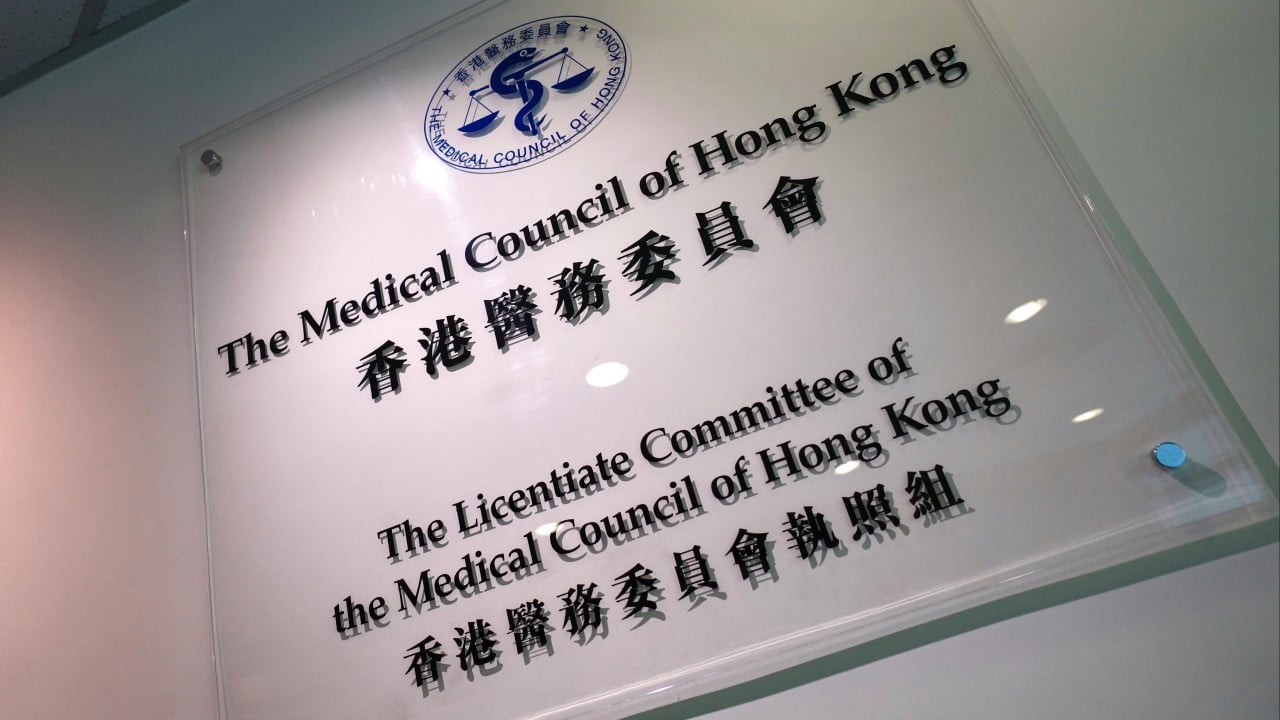
A Hong Kong ophthalmologist, Dr. Yiu Man-kit, has been acquitted of professional misconduct charges that originated 15 years ago. The city's medical watchdog, the Medical Council of Hong Kong, decided to offer no evidence against him, effectively dropping the case. The disciplinary proceedings were initiated following a complaint filed in 2011 by a patient, Chan Man-chi. The complaint pertained to a bilateral Lasik surgery performed on Ms. Chan in May 2010, and a subsequent keratectomy on her right eye in September of the same year. The lengthy delay in resolving the complaint raises questions about the efficiency and timeliness of the medical disciplinary process. The council's decision to withdraw the charges after such a prolonged period suggests potential issues with the evidence or the viability of the case after 15 years. This outcome highlights the significant impact of protracted legal and disciplinary processes on medical professionals and patients alike.
The protracted nature of this professional misconduct case, spanning 15 years from complaint to resolution, points to systemic inefficiencies within Hong Kong's medical disciplinary framework. Such lengthy delays can impose substantial psychological and professional burdens on accused doctors, potentially impacting patient care indirectly. Furthermore, the eventual decision to offer no evidence suggests a potential re-evaluation of the case's merits or the evidence's strength over time, raising questions about the initial threshold for initiating such proceedings. Moving forward, reforms aimed at streamlining complaint resolution processes and ensuring timely adjudication are crucial for maintaining both the integrity of the medical profession and the public's trust in its regulatory bodies. This situation underscores the need for robust, yet agile, governance structures capable of addressing grievances without undue delay.
AI-generated to prompt reflection — not editorial opinion, not advice, not a statement of fact. How this works.