Hong Kong ex-lawmaker Wu Chi-wai allowed to stay in UK after initial entry denial
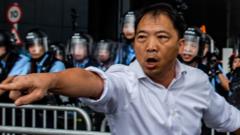
Former Hong Kong Legislative Council member Wu Chi-wai, who was initially denied entry into the United Kingdom, has now been permitted to remain in the country. Wu had been facing legal issues in Hong Kong related to the National Security Law. Upon his arrival at the airport, UK authorities prevented him from entering, citing concerns related to the National Security Law. However, this decision was later reversed, and Wu was allowed to disembark and stay. Speaking to the BBC Chinese service, Wu Chi-wai denied allegations that he had applied for political asylum in the UK. He also addressed the airport incident, stating he was allowed to proceed as normal. The initial denial and subsequent reversal highlight the complex immigration and political considerations involved when individuals with backgrounds tied to national security legislation seek entry into other countries.
The UK's decision to permit former Hong Kong legislator Wu Chi-wai to remain in the country, following an initial denial of entry, suggests a dynamic reassessment of immigration policies in light of evolving geopolitical sensitivities. The incident underscores the challenges governments face in balancing national security concerns, international legal obligations, and humanitarian considerations, particularly for individuals associated with national security legislation. This situation may prompt a review of screening protocols for individuals arriving from jurisdictions with differing legal frameworks, aiming to ensure consistent application of immigration law while mitigating potential political fallout. The case also highlights the broader implications of China's National Security Law on individuals seeking to travel or reside abroad, potentially influencing international migration patterns and diplomatic relations in the coming decade.
AI-generated to prompt reflection — not editorial opinion, not advice, not a statement of fact. How this works.