Hong Kong High Court Rejects Challenge by Mainland Families on University Fee Policy
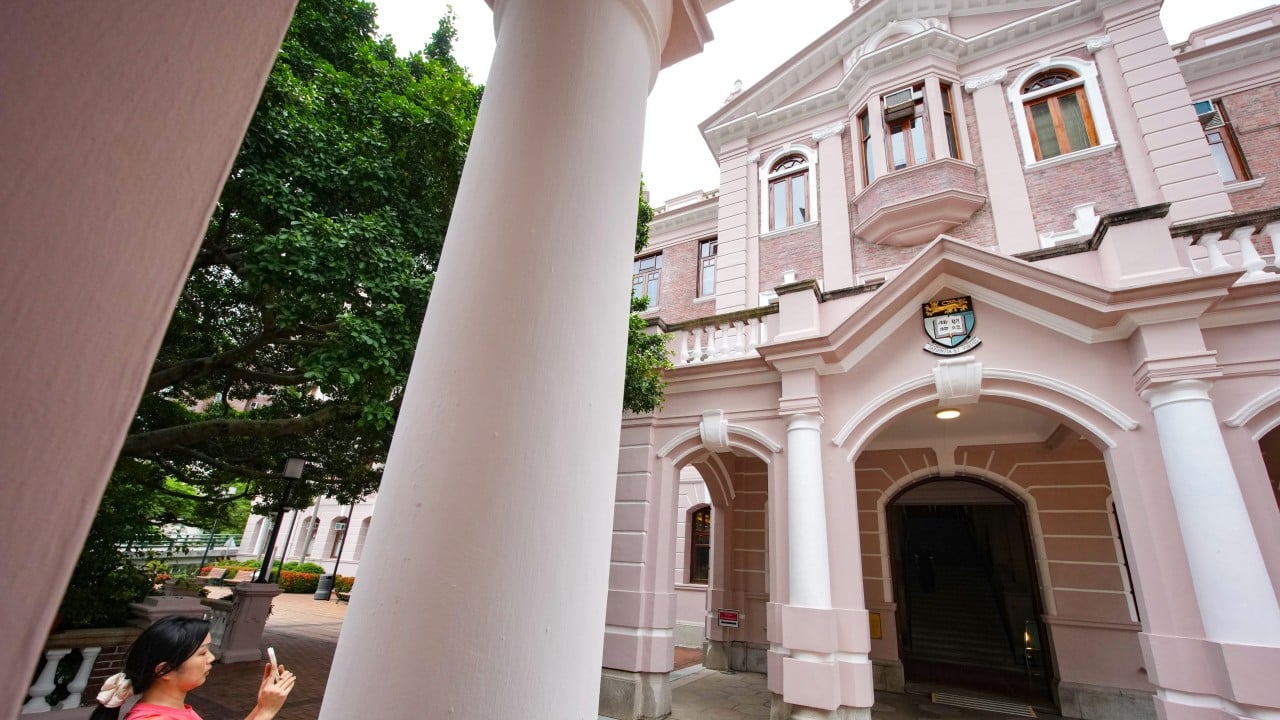
A group of 87 mainland Chinese families, who relocated to Hong Kong under talent visa schemes, have been unsuccessful in their legal challenge against a government policy change. The policy impacts their children's eligibility for publicly funded university places as dependants. High Court Judge Russell Coleman delivered the ruling on Friday, stating that the Education Bureau's requirement was not irrational. This requirement mandates that children of parents who arrived via these talent schemes must reside in Hong Kong for a minimum of two years before they can qualify for the subsidized university education. The families had argued that this policy change unfairly disadvantaged their children. The court's decision upholds the government's stance on the residency requirements for dependants seeking access to subsidized higher education.
The court's decision highlights the tension between attracting talent through visa schemes and managing the long-term implications for public services like higher education. While the government's policy aims to ensure a certain level of commitment from those benefiting from public resources, it raises questions about the integration and long-term expectations of families who are encouraged to move to Hong Kong. Future policy considerations might involve clearer communication of residency requirements upfront or phased access to public services to balance the needs of new residents with the sustainability of public funding. This case underscores the importance of transparent and predictable policy frameworks for individuals and families making significant life decisions based on immigration and economic opportunities.
AI-generated to prompt reflection — not editorial opinion, not advice, not a statement of fact. How this works.