Hong Kong Legislators Approve Huanggang Border Co-location Bill
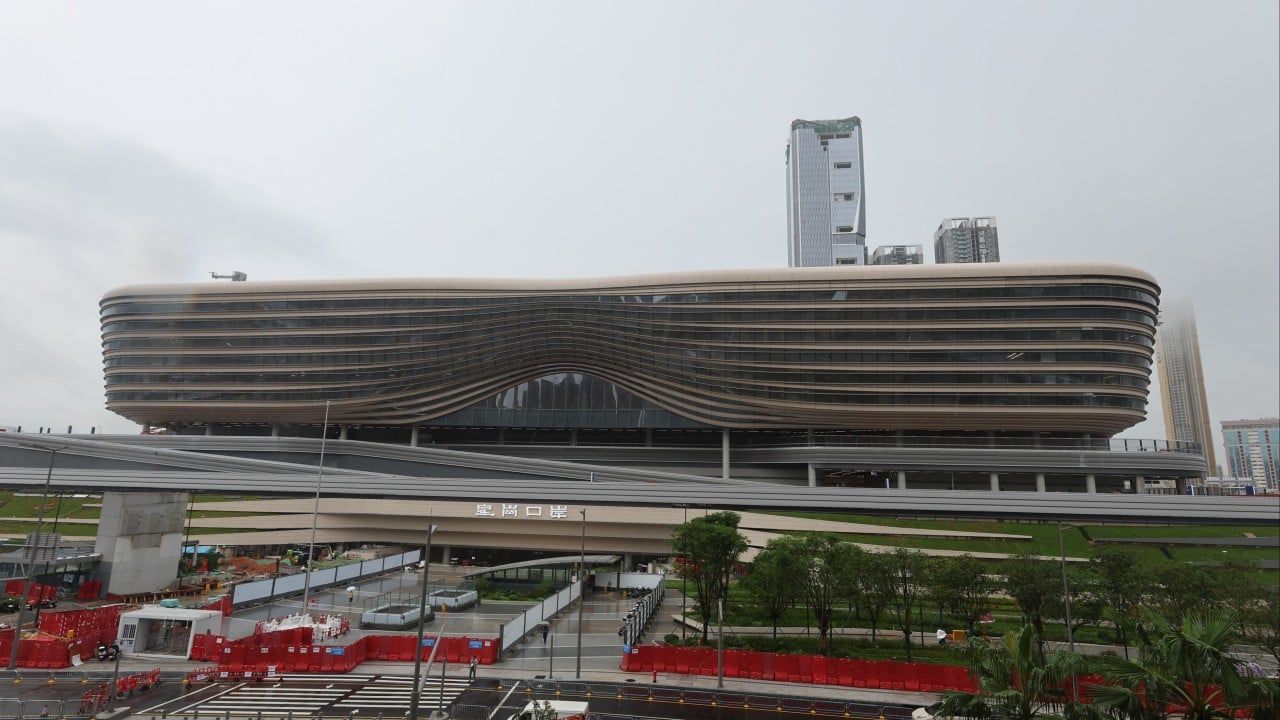
Hong Kong's Legislative Council has swiftly passed a bill establishing the legal framework for a "co-location" arrangement at the upgraded Huanggang border crossing. The bill, officially titled the Huanggang Port Hong Kong Port Area Bill, underwent a four-hour legislative session before its approval. This expedited process follows a directive from the city's security chief, who stipulated that the bill must be passed by July 31. The swift passage is notable, representing the fastest legislative scrutiny since the overhaul of the Legislative Council in 2021, which implemented the principle of "patriots administering Hong Kong." The co-location arrangement aims to streamline border control processes by allowing mainland Chinese authorities to exercise jurisdiction within a designated area of the Hong Kong port facility.
The rapid passage of the Huanggang Port Hong Kong Port Area Bill highlights the current legislative environment in Hong Kong, characterized by a streamlined process following the 2021 overhaul. This co-location arrangement, enabling mainland Chinese jurisdiction within a Hong Kong port area, represents a significant step in deepening integration with mainland China. From a systems perspective, such arrangements can enhance logistical efficiency and economic connectivity. However, they also raise complex questions regarding the interpretation and application of legal jurisdictions, and the balance between administrative convenience and the preservation of distinct legal systems. Future developments will likely be shaped by how these co-location models are implemented and perceived in terms of their impact on cross-border interactions and governance.
AI-generated to prompt reflection — not editorial opinion, not advice, not a statement of fact. How this works.