Hong Kong Observatory Criticized for Low Typhoon Signal During Prapiroon
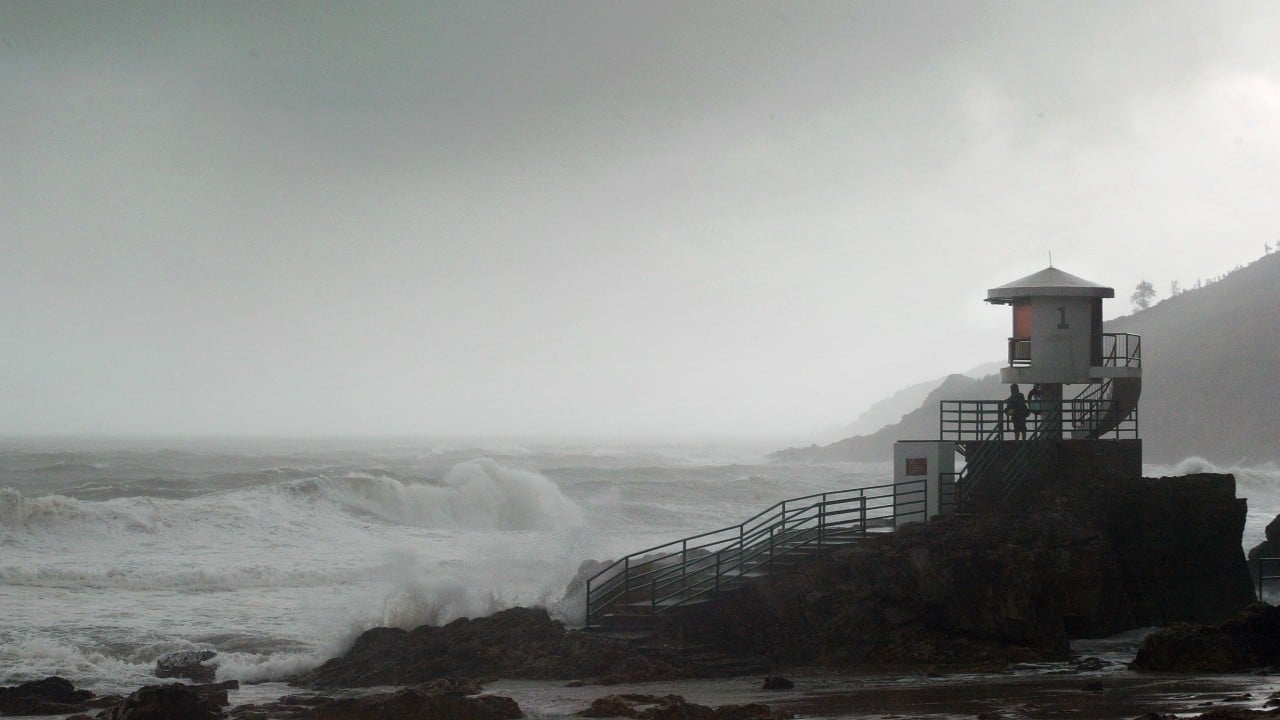
The Hong Kong Observatory faced significant public criticism on August 3, 2006, for its decision not to raise a storm warning signal higher than No. 3 as Typhoon Prapiroon approached the city. Despite parts of Hong Kong experiencing winds of up to 200 km/h, the lower signal led to concerns for worker safety. Unions argued that employees were compelled to go to work under dangerous conditions because a No. 8 signal, which typically mandates work stoppages, was not issued. The typhoon's impact included toppled cargo containers and fallen trees, highlighting the discrepancy between the weather's severity and the official warning level. This event, reported by SCMP, sparked considerable anger and debate regarding the Observatory's assessment protocols and their real-world consequences for the public and workforce.
The incident surrounding Typhoon Prapiroon in August 2006 illustrates a common tension between meteorological forecasting and public safety response. When official warnings do not align with perceived on-the-ground conditions, it can erode public trust and create dangerous situations, particularly for essential workers. This event raises questions about the calibration of warning systems, the communication of risk, and the establishment of clear protocols for when specific warning levels trigger mandatory safety measures. In the context of an increasingly unpredictable climate, such events underscore the need for adaptive warning systems that can effectively balance scientific data with the practical implications for public and worker safety, ensuring that response mechanisms are robust enough to manage severe weather events without undue delay or misinterpretation.
AI-generated to prompt reflection — not editorial opinion, not advice, not a statement of fact. How this works.