Hong Kong's AI Education Plan Launched, But Challenges Remain
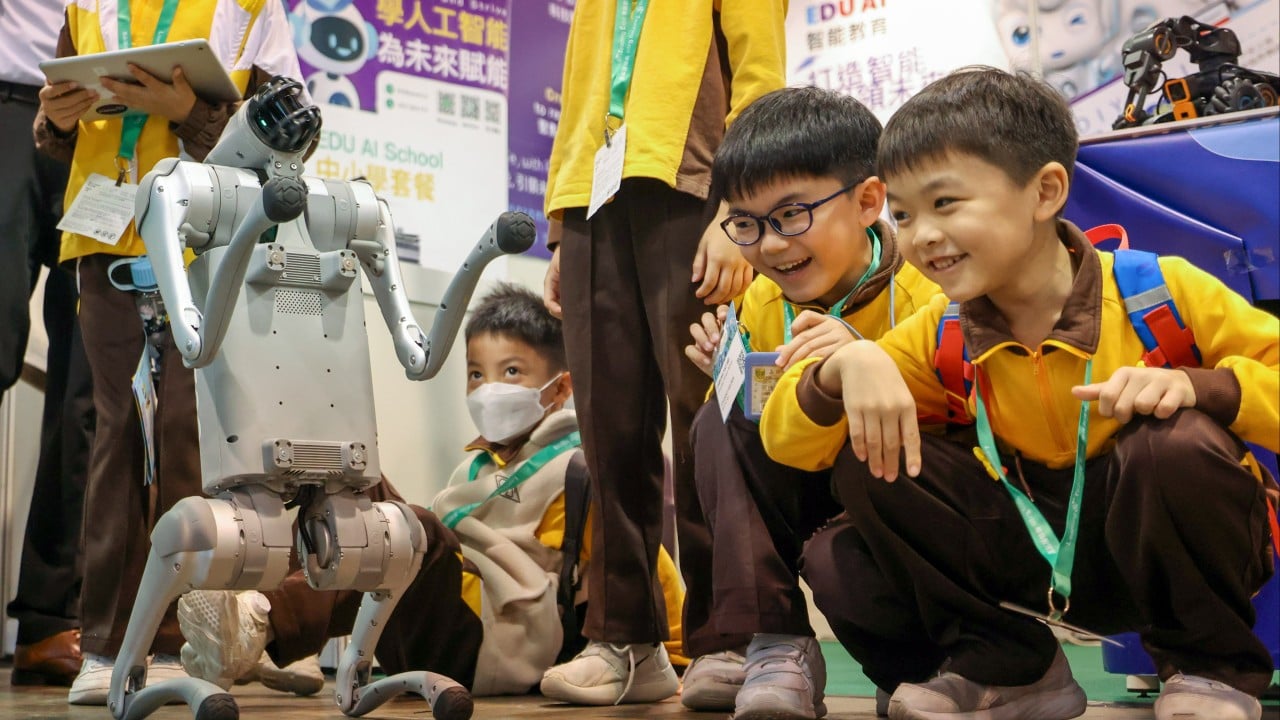
Hong Kong has unveiled its Blueprint for Digital Education Development in Primary and Secondary Schools, aiming to integrate artificial intelligence (AI) into the learning landscape. The plan prioritizes students, professionalizes teachers, establishes schools as the core implementation base, and enlists society as a partner. It addresses feedback from educators and researchers, including specific pedagogical approaches for AI. The initiative comes at a crucial time as AI continues to transform educational methodologies globally. The blueprint seeks to equip students with the necessary skills for an AI-driven future. It also emphasizes the importance of teacher training and development to effectively utilize AI tools in the classroom. The government views this as a foundational step towards modernizing the education system. Further details on specific AI curriculum components and implementation strategies are expected.
Hong Kong's new blueprint represents a proactive governmental response to the accelerating integration of AI into education. By focusing on students, teachers, schools, and societal partnership, the strategy aims for a holistic adoption of AI. However, the success of such a plan hinges on the practical execution and the availability of resources for teacher training and curriculum development. The long-term challenge will be ensuring equitable access to AI education across all schools and adapting the curriculum as AI technology rapidly evolves, maintaining relevance and fostering critical thinking rather than rote memorization of AI capabilities. The next decade will likely see a significant shift in educational paradigms, and this blueprint is an initial step in navigating that transition.
AI-generated to prompt reflection — not editorial opinion, not advice, not a statement of fact. How this works.