Hong Kong's 'Era of Banned Books' Under National Security Law
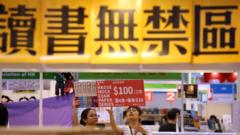
Since the enactment of the National Security Law for Hong Kong in 2020, various books have been removed from shelves, disappeared, or been specifically named each year. BBC Chinese has compiled a list of books that have been taken down from libraries and book fairs, criticized by pro-establishment newspapers, and recently confiscated by national security officers during arrests. The aim is to piece together a 'banned book list' by tracing these incidents.
This ongoing trend reflects a significant shift in Hong Kong's once-freewheeling publishing environment. The actions taken against these books suggest a deliberate effort to control narratives and information accessible to the public. The compilation seeks to document this evolving landscape of censorship under the new legal framework.
The implementation of the National Security Law in Hong Kong appears to have ushered in an era where literary and informational content is subject to increased scrutiny and control. This trend, evidenced by the removal and confiscation of books, suggests a broader societal shift impacting freedom of expression and access to diverse viewpoints. From a governance perspective, such measures can be seen as an attempt to enforce a particular ideological alignment, potentially prioritizing stability and national security as defined by the state over open discourse. Looking ahead, the long-term implications for Hong Kong's status as an international hub for information and culture may depend on the balance struck between these security imperatives and the preservation of fundamental freedoms.
AI-generated to prompt reflection — not editorial opinion, not advice, not a statement of fact. How this works.